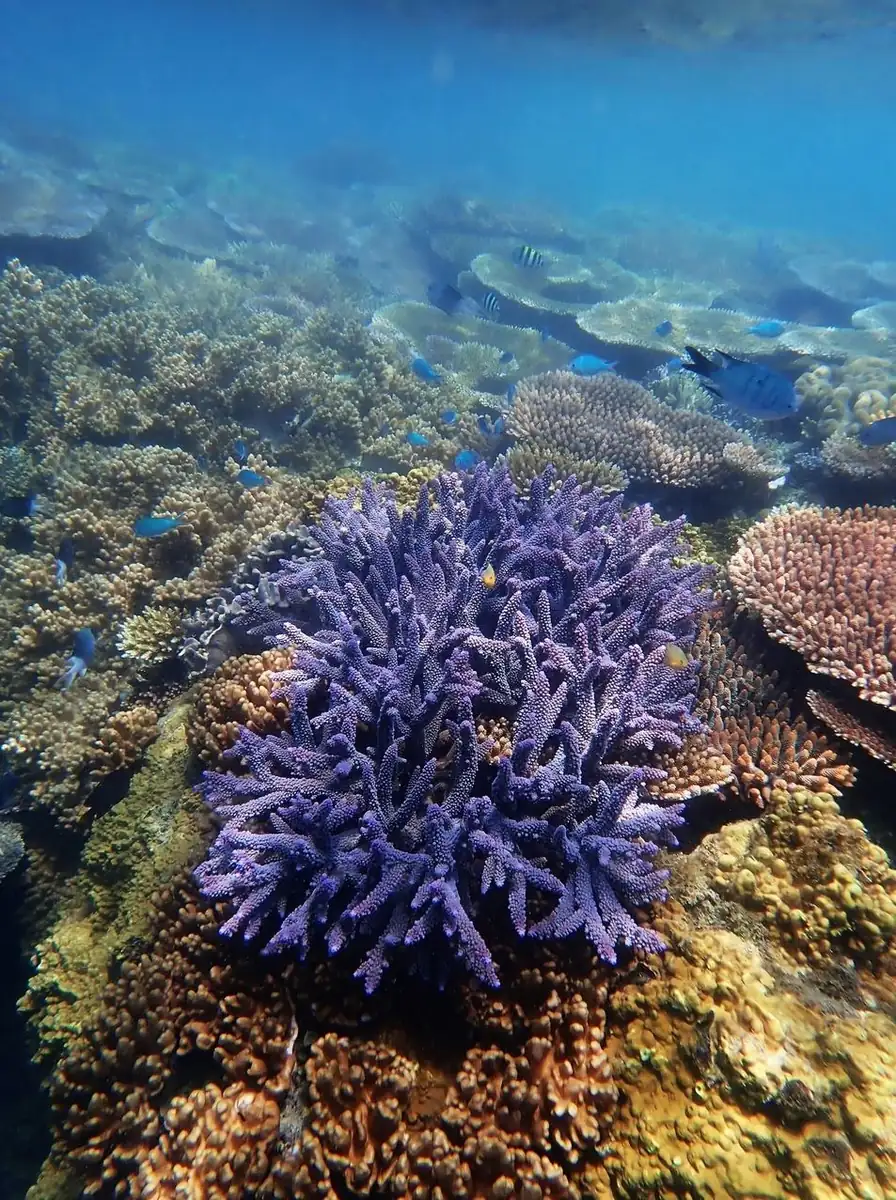
How to Become a ‘Guardian of the Reef’ and Earn Travel Discounts in 2026 – that’s more than just a feel-good thing to do, it’s actually a really smart way to help protect the Great Barrier Reef, contribute to coral reef restoration and score some great deals on your next Far North Queensland trip.
If you’re heading to Port Douglas, Cairns or the Whitsundays next year, you can actually use your trip to make a difference. By going with a certified operator, getting behind the Reef Guardian initiatives, and lending a hand with some community science, you’ll be doing your bit for the marine life and likely snag some pretty sweet loyalty rewards, package discounts or bonus perks along the way.
Hi, I’m Paul. I’ve spent years working these waters, and I’ve learned to spot the difference between greenwashing and the real deal. The reef has had a tough decade – coral bleaching events, wild weather and the recession that knocked the operators sideways. By 2026, smart travellers aren’t just turning up with a camera – they’re turning up informed.
Let’s break down how to do it properly.
Get the Lowdown Before You Book Your Trip
If you’re going to call yourself a reef advocate, you need to get the picture. The Great Barrier Reef is an absolute behemoth, spanning 344,400 square kilometres along the coast of Queensland and supporting thousands of species of marine life – from reef sharks and turtles to clownfish darting about coral reefs.
But here’s the thing – coral reef ecosystems are super sensitive. Just a few degrees of temperature increase and you get coral bleaching – and that’s exactly what’s happened over the past decade or so. Scientists are still studying the impact and how to help the reef recover. They’re monitoring recovery efforts, tracking coral plants from nurseries, and examining long-term patterns in the Coral Sea.
Tourism can also play a role here. By going with certified operators, you’re supporting real conservation work – not just putting diesel in the boat.
Pick an Operator That’s Walking the Walk
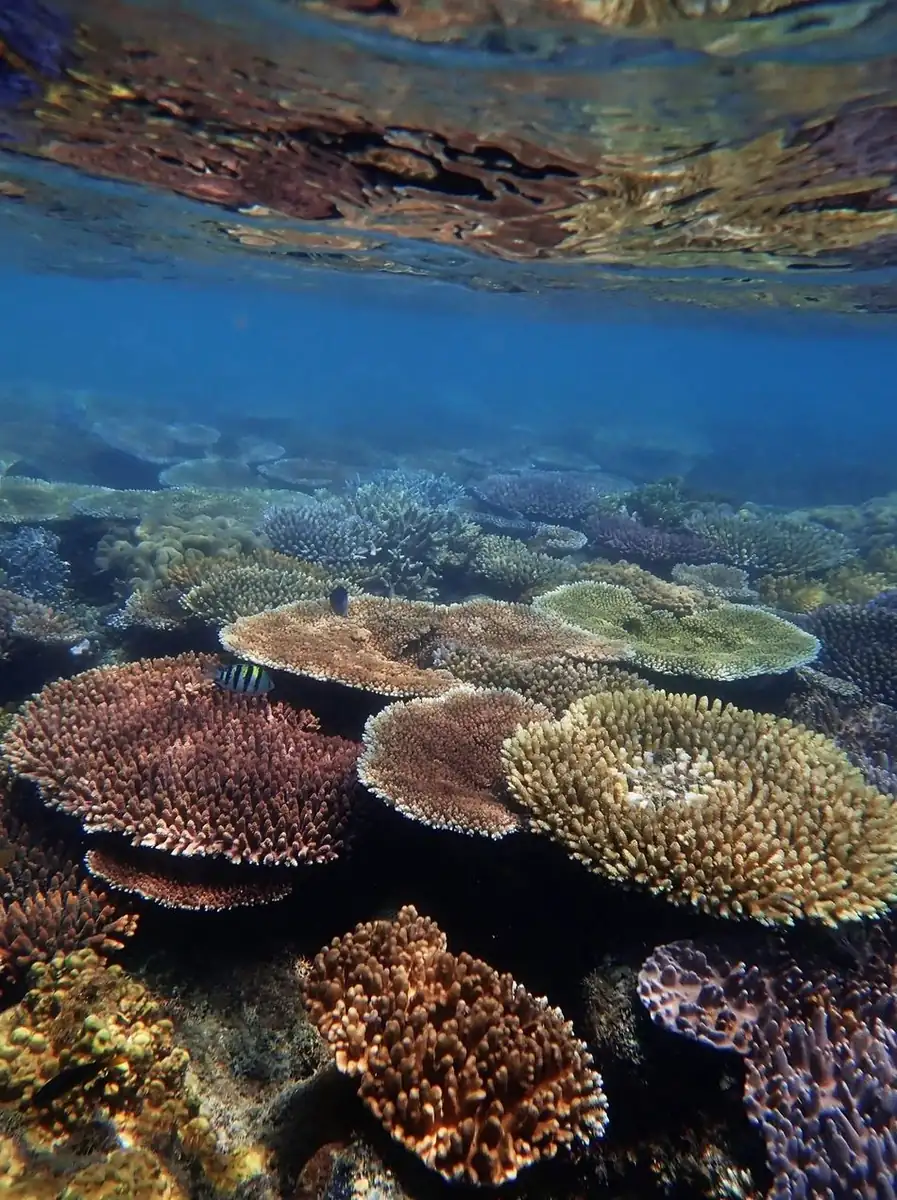
Not all dive operators are created equal. Some are investing in coral restoration and taking sustainable diving seriously. Others are just running boat tours.
Look for operators that are accredited through Ecotourism Australia or Blue Star – they’re the ones that follow strict environmental rules to keep the reef safe and prevent any damage. Brands like Great Barrier Reef Tours have even made it easy for you by letting you filter operators by their environmental credentials – that way, you can avoid any dodgy operators.
You might get the following perks in 2026:
- discounts of 5-15% for repeat customers
- bundle deals on multiple activities
- bonus inclusions like a glass-bottom boat tour
- priority booking for peak season departures
If you ask, customer service teams might even offer additional incentives for participating in community science programs, so it’s worth asking.
Join Reef Guardian & Community Science
Getting involved is easier than you think – you’re already heading out to the reef anyway.
Many operators are part of Reef Guardian programs backed by the Australian Government and the Great Barrier Reef Marine Park Authority. If you’re there to snorkel, you might as well lend a hand – simply log any observations you make on coral health or marine life – or any unusual stuff that catches your eye.
Community science projects tend to involve stuff like:
- Reporting any reef sharks you spot
- Noting any coral bleaching patches
- Taking note of water clarity
- Flagging any crown-of-thorns starfish you see
Your observations contribute to broader efforts to recover the reef, with scientists using this data to inform their research and monitoring. Some operators offer perks for participating, such as free trip discounts or add-ons.
It’s a conversation you can practically get on board with – no lab coat required.
Operators Leading Coral Restoration
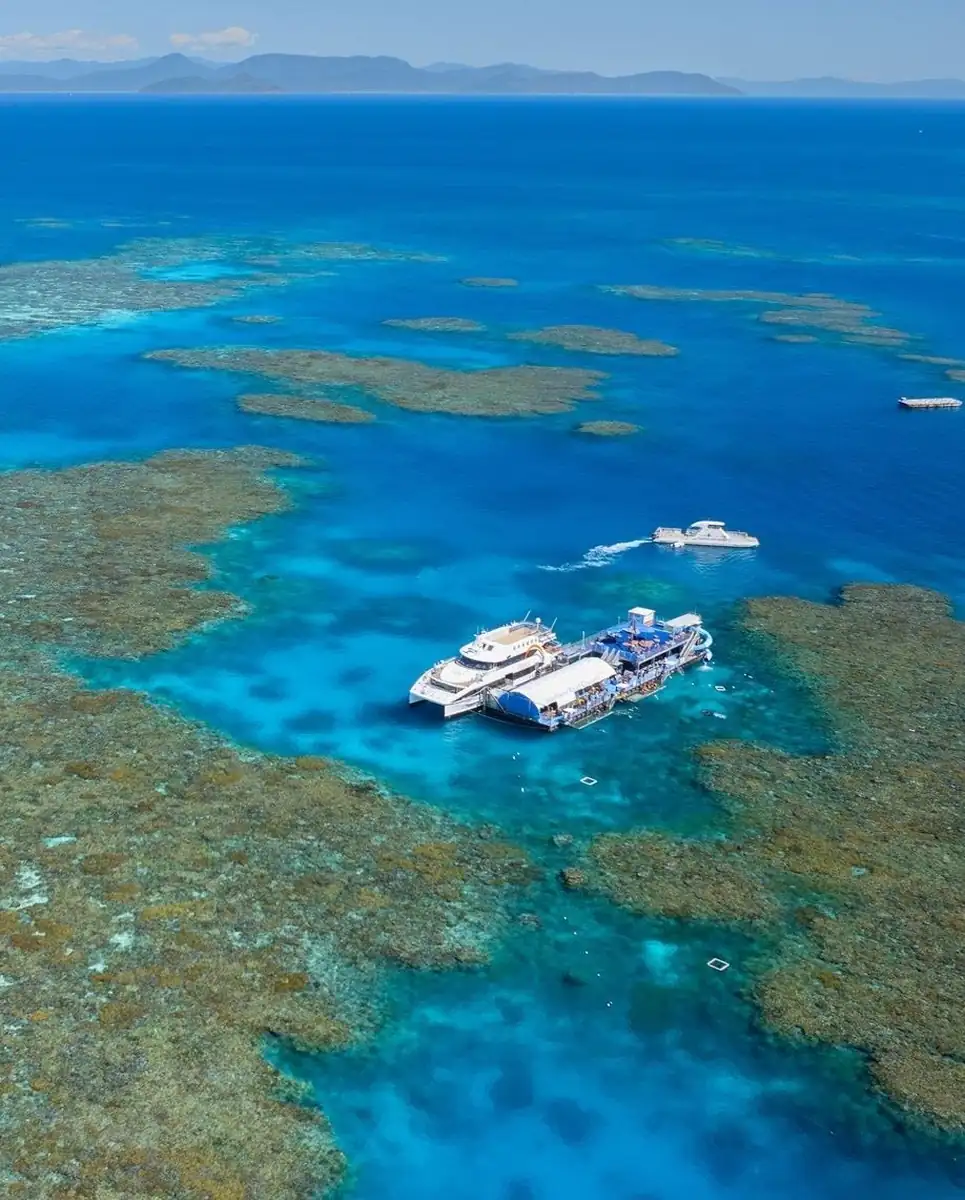
Want to get up close and personal with the recovery efforts? Look to the operators who visit Moore Reef on the Outer Reef.
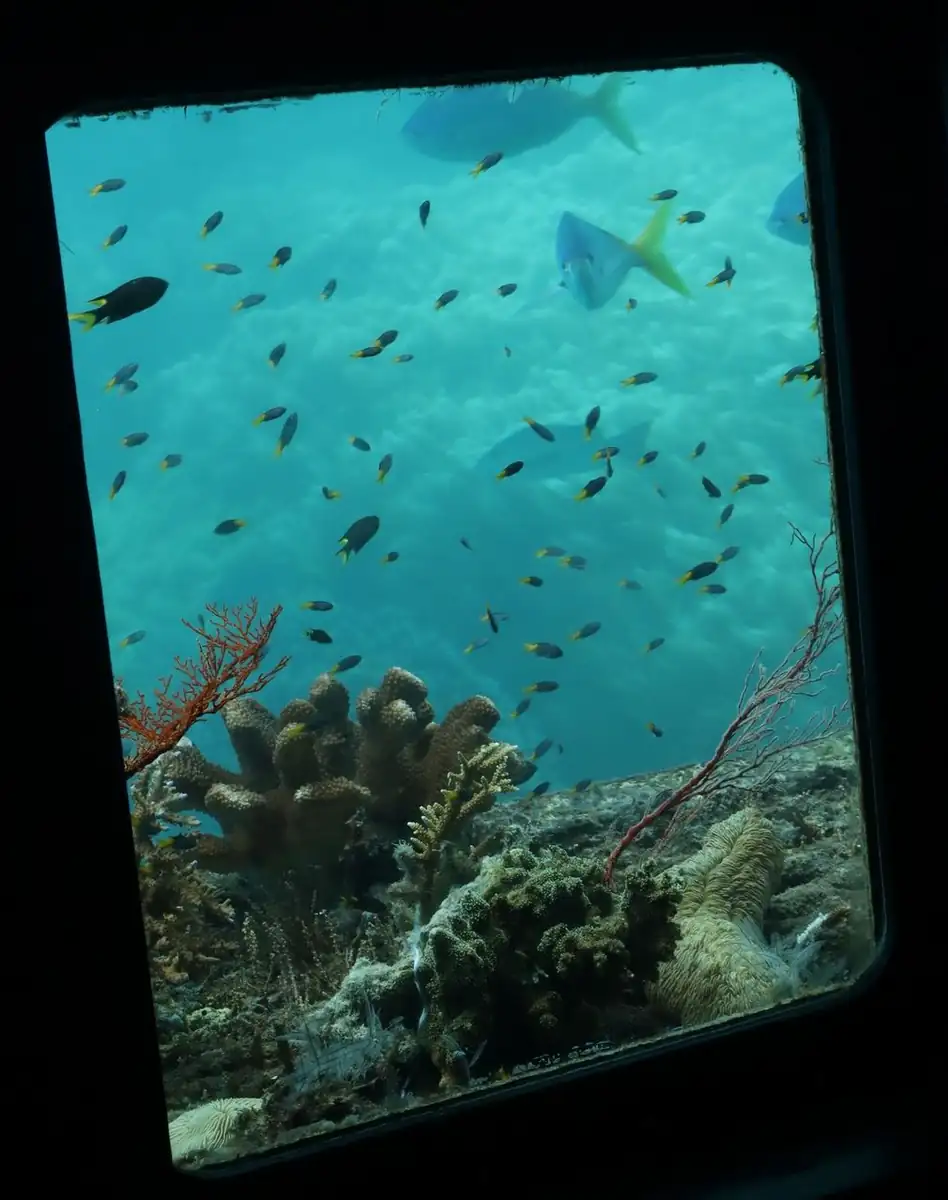
Reef Magic is the one to look to – they run the Reef Magic III boat out of the Reef Fleet Terminal in Cairns, which then heads to the Marine World platform at Moore Reef. This place offers snorkelling spots, scuba diving to get amongst the coral, an underwater observatory to watch the action, and a glass-bottom boat for a sneak peek. Additionally, they have coral nursery projects and coral outplanting initiatives in collaboration with marine scientists.
If you book a snorkel tour and pop in a scuba dive or even a scenic helicopter flight over the Coral Sea, you can often get a better deal on a package deal – those helicopter flights really put things into perspective, by the way – you can see the coral stretching out as far as the eye can see.
Some people like to mix it up and team their reef day with something really different, like a day trip to the Rainforest Skywalk & Glow Worm Caves inland – that’s a good reminder that there’s heaps more to Far North Queensland than just the ocean.
Check The Weather Before You Jump In
The reef changes with the seasons, so it’s a good idea to know what to expect.
Dry Season (May to October)
This is peak season – visibility is generally 15 to 25 meters on the Outer Reef, and marine stingers are less common. Plus, it’s dry, the humidity is low, and the seas are generally calmer.
Just be aware that the best time for school holidays in July will have the highest prices, so try to get in earlier in May or later in September if you want to get the conditions without the crowds.
Wet Season (November to April)
It’s hot and humid, with a moderate risk of a cyclone. But, you can get some pretty good discounts – and some operators will even throw in state-backed holiday vouchers to get people booked in.
Island Getaways With Conservation Focus

You don’t need to go on a long Outer Reef journey to experience life underwater
Fitzroy Island and Green Island are definitely great spots for a reef adventure – snorkel, take a glass-bottom boat tour or book a guided walk and learn about the reef and its inhabitants. Not all of these places are coral nurseries, but some operators are already contributing to conservation and monitoring efforts.
Cruise Whitsundays the perfect way to experience the Whitsunday region, and if you are based in Airlie Beach, this is your go-to.
After a day on the reef, if you want to mix it up a bit, you can balance out your trip with something like the Rainforest Skywalk & Glow Worm Caves Day Tour – it’s a great way to get a taste of the ancient rainforest in one week, not bad at all.
Respecting Sea Country And Custodians
Reef tourism is not just about the marine life, it’s about the people too – the Traditional Owners who call the Great Barrier Reef their home and care deeply about the land and sea that’s their Sea Country.
Many tour operators today include cultural information in their onboard briefings. Supporting these tours is a great way to strengthen the partnership between tourism and the Traditional Owners.
The human side of conservation is way more than just coral out-planting and data sheets. It’s about real people getting jobs, getting an education and being proud of the community they live in
Choosing a Diving Operator That Actually Cares
If you plan to go scuba diving, make sure you choose an operator that dives responsibly. Responsible divers will:
- Make sure you get a basic briefing on how to use your buoyancy control
- Enforce rules like no touching the coral
- Keep the group sizes down when you are at the reef sites
- Remind you to use reef-safe sunscreen
Some tours even let you see coral restoration plots during the dive – you won’t be planting coral yourself, but you can learn all about how it works in real time.
Keeping Up with International Conservation Efforts
The Great Barrier Reef is pretty famous globally, and that means international pressure to keep up with conservation efforts is high – especially since it’s a UNESCO World Heritage site. By supporting certified operators, you know you are putting your tourism dollars to good use.
Tourism isn’t the bad guy, poorly managed tourism is – but a well-run operation can actually have a really positive impact.
Real Savings – No Magic Tricks Here
Let’s talk dollars and cents…
A standard Outer Reef day trip can cost between $250 and $300 per adult. Taking 10% off for conservation efforts or repeat business saves you $25-$30 per person.
Throw in:
- Multi-day scuba packages
- Package deals with helicopter rides
- Loyalty rewards and discounts
- Free gear hire
For a family, this can make a really big difference – several hundred dollars saved in one week.
It’s not a free holiday, but it’s a pretty good deal
Saving Money on Your Reef Holiday
Before you lock in your plans:
- Check that the operator is certified by Ecotourism Australia or is a Blue Star operator
- See if they are a Reef Guardian and what that means
- Check if they have any monitoring activities happening
- Look at when the Marine Stinger season is
- Compare bundle prices to get the best deal
And if you are planning a bigger trip to Queensland, it’s a good idea to slot in the Rainforest Skywalk & Glow Worm Caves Day Tour to break up the reef time with a rainforest experience.
Travel With a Sense of Purpose
Visiting these shores in 2026 may just inspire you to stand up for the reef. No need to worry, being a reef advocate is a breeze. Just select a certified tour operator, join community science projects, and support coral reef restoration. Plus, show respect for the local Sea Country and plan your trip for a time of year that suits your mood.
You end up not just protecting these incredible ecosystems but also supporting monitoring activities, which is critical for monitoring our coral reefs. In addition, you’ll get perks such as loyalty benefits and savings that’ll make your trip more worthwhile.
That’s basically what responsible tourism is all about – done right.
I’ve seen this reef battle through all sorts of stuff – storms, bleaching, the whole shebang – and let me tell you, it’s one tough cookie. But it needs people to travel smart and not just cruise on by.
Travel with a clear conscience: ask questions, support operators who actually care about the reef’s recovery, and before you know it, you’ll be floating above one of the most incredible sights on the planet.
FAQ
Can you really make a difference snorkelling?
You bet. I’ve seen snorkellers and marine scientists working together to collect reef health data. Just get involved in some community science logging and monitoring activities.
Are all tour operators aligned on conservation?
No way. Only a certified or participating business can offer loyalty benefits tied to Reef Guardian programs that actually count.
Is scuba diving okay even during the bleaching recovery periods?
Yeah, of course it is. As long as you’re following some basic rules for sustainable diving and book with a dive operator that’s got its finger on the pulse of the reef.
Do stingers just appear out of nowhere?
Nope. They’re pretty much limited to the wet season months (November to April). If you need a stinger suit, just ask your operator.
Does tourism actually help out?
When it’s done right, the ticket revenue does end up going towards coral nursery work, monitoring programs, and partnerships with local Traditional Owners – that’s a pretty sweet deal.