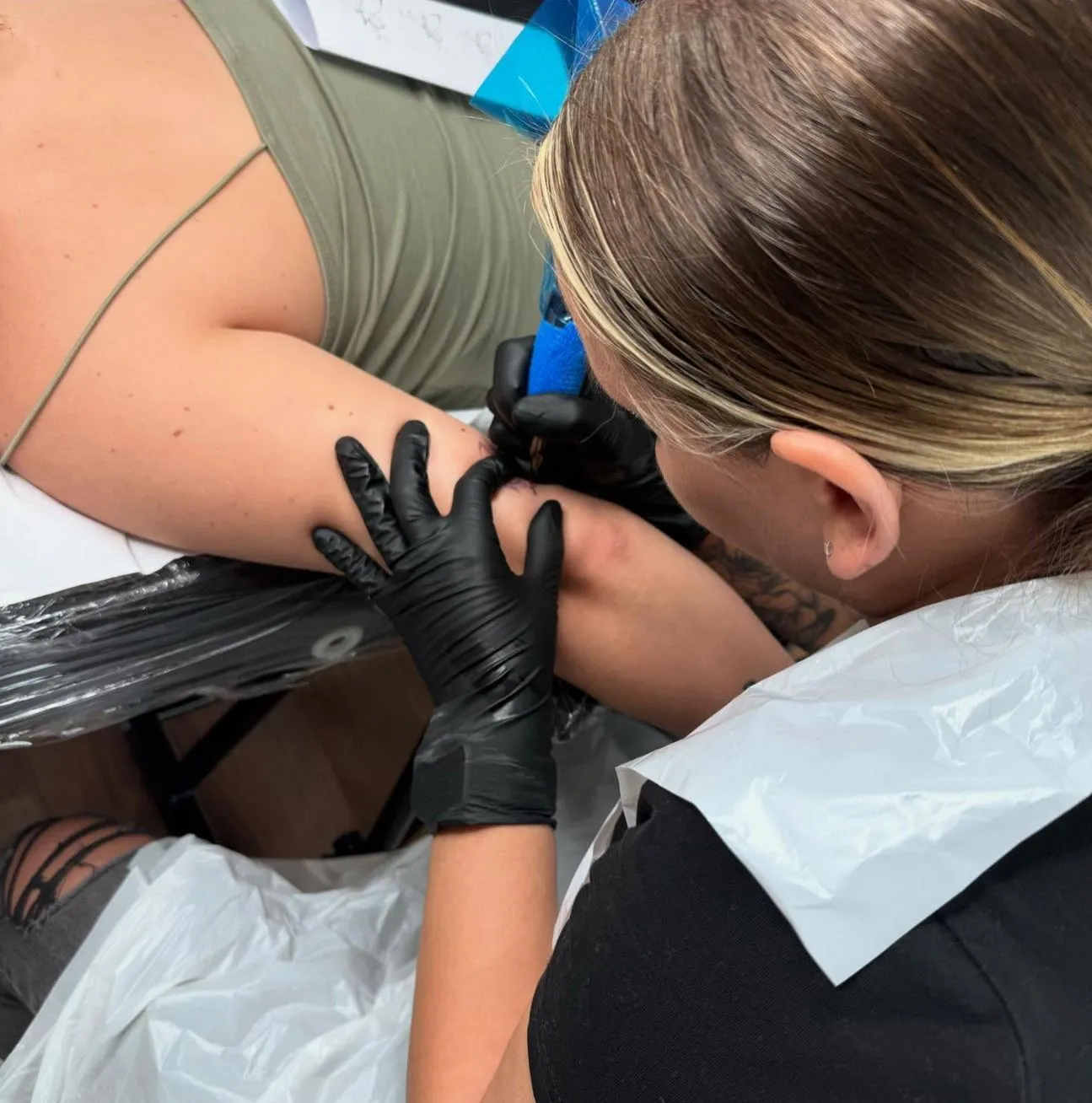
Fine line tattoo courses are becoming a go-to option for PMU artists who want to expand their skills and offer more to their clients.
If you’re already a cosmetic tattooist or PMU artist doing brows, lips, or eyeliner, chances are you’ve seen those delicate fine line tattoos all over your social networks — and wondered if you could do them too. The good news? You absolutely can. But (and it’s a big but), there’s more to it than just picking up a new tattoo machine and hoping for the best.
Let’s talk shop. In this guide, I’ll walk you through whether adding fine-line tattooing to your existing cosmetic tattooing procedure skillset makes sense, what it takes, and how to choose the right training programs, especially if you’re based here in Melbourne, where demand for dainty ink and high-priced add-on procedures is booming.
Fine Line Tattooing vs PMU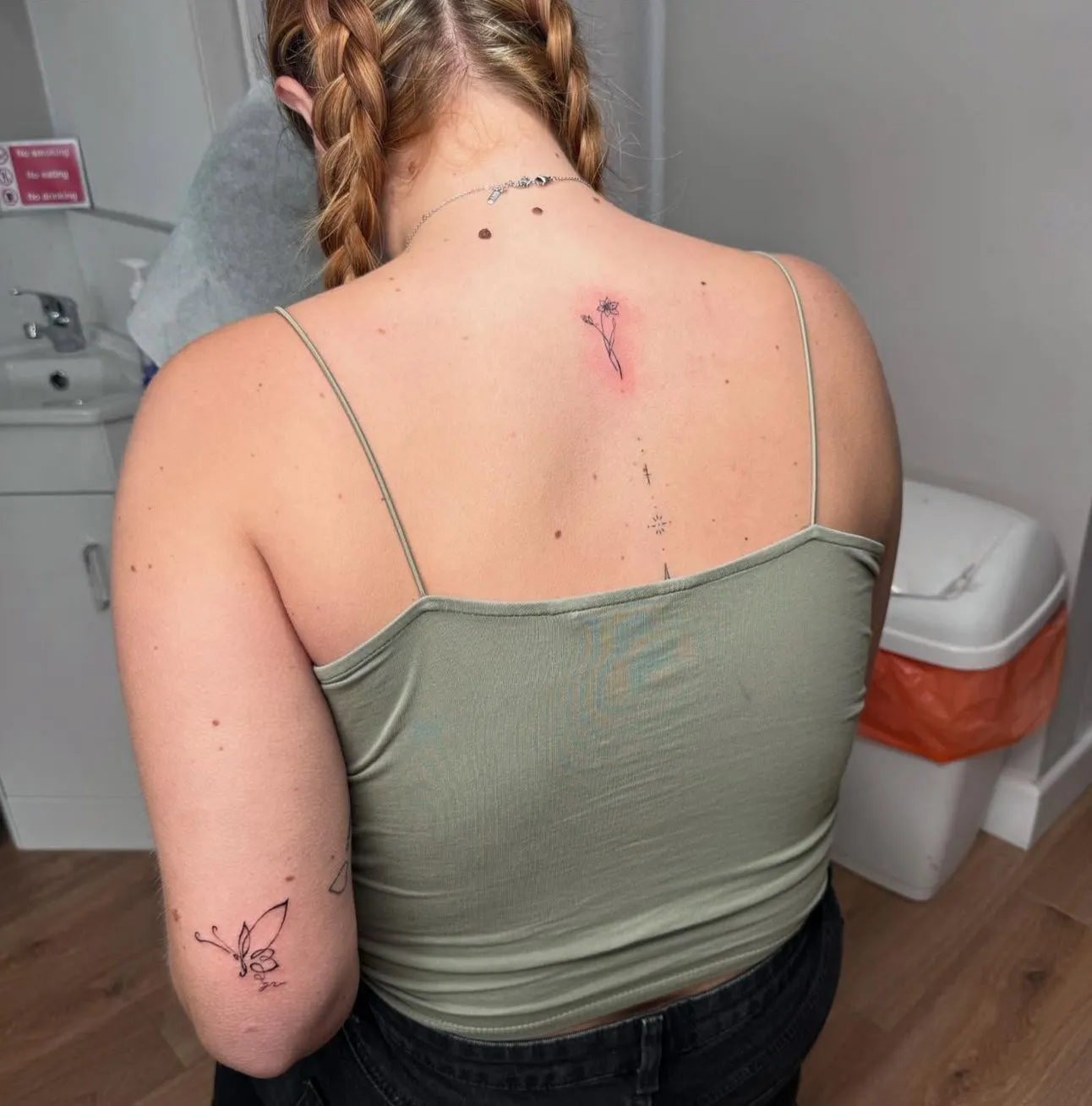
Fine line tattoos and permanent makeup (PMU) might seem similar — after all, both use tattoo needles to implant pigment into the skin. But don’t be fooled. The technical skill, tattoo ink, machine settings, and skin depths are often quite different.
Here’s a quick breakdown:
| Feature | PMU (Cosmetic Tattooing) | Fine Line Tattoos |
|---|---|---|
| Purpose | Enhance natural beauty & features | Decorative art, geometric shapes, or micro-symbols |
| Pigment Type | Semi-permanent, cosmetic pigments | High-quality luxe-certified carbon tattoo pigments |
| Tools | PMU machines or cosmetic tattoo machines | Rotary tattoo machine or wireless tattoo machines |
| Depth of Implant | Shallower, upper dermis | Deeper into the dermis |
| Longevity | 1–3 years | Typically permanent |
Why PMU Artists Add Fine Line Tattooing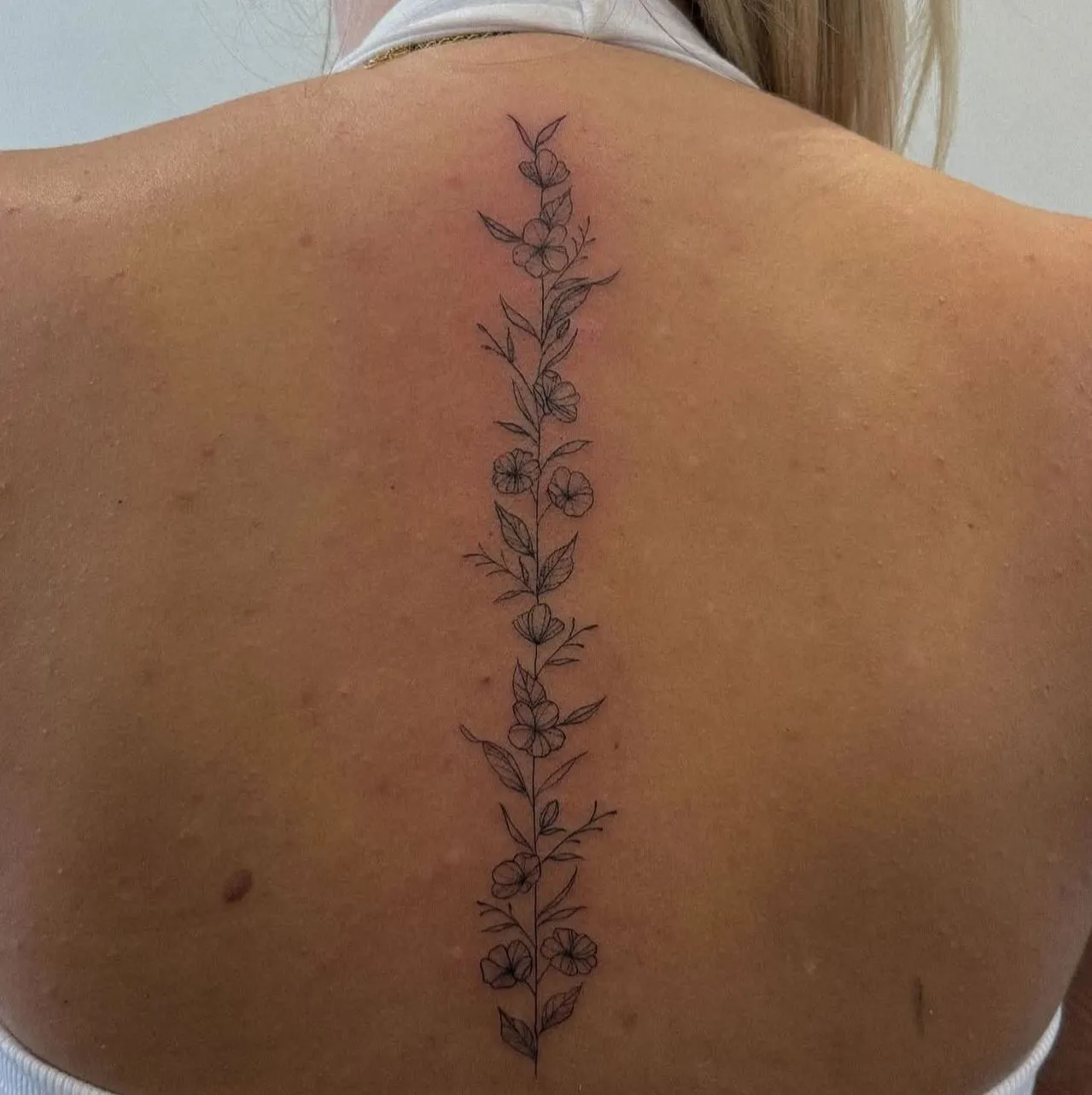
Client Demand
Think minimalistic forearm text, single-needle tattoos, delicate lines — especially popular with Gen Z.
Artistic Growth
From brow mapping to micro-designs, fine line lets you flex your artistic skills in new ways.
Business Expansion
It’s a high-priced add-on procedure that complements your PMU service menu.
Technique Crossover
Your abilities in tattoo artistry, such as precision and understanding of skin types, transfer beautifully.
Do You Need a Tattoo Licence in Australia?
Yes, you do — and it’s different from PMU or cosmetic tattoo certifications.
- Complete an Infection Control Unit or skin penetration unit
- Be an Australian citizen or a permanent resident to apply
- Pass council inspections and health department regulations
- Train in proper hygiene, prevention for skin penetration, and meet infection control standards
At Face Figurati, we maintain a sterile environment and follow strict health department protocols. Tattooing fake skin or pig skin is just the start — real tattooing requires a solid foundation in hygienic services.
What Fine Line Courses Teach PMU Artists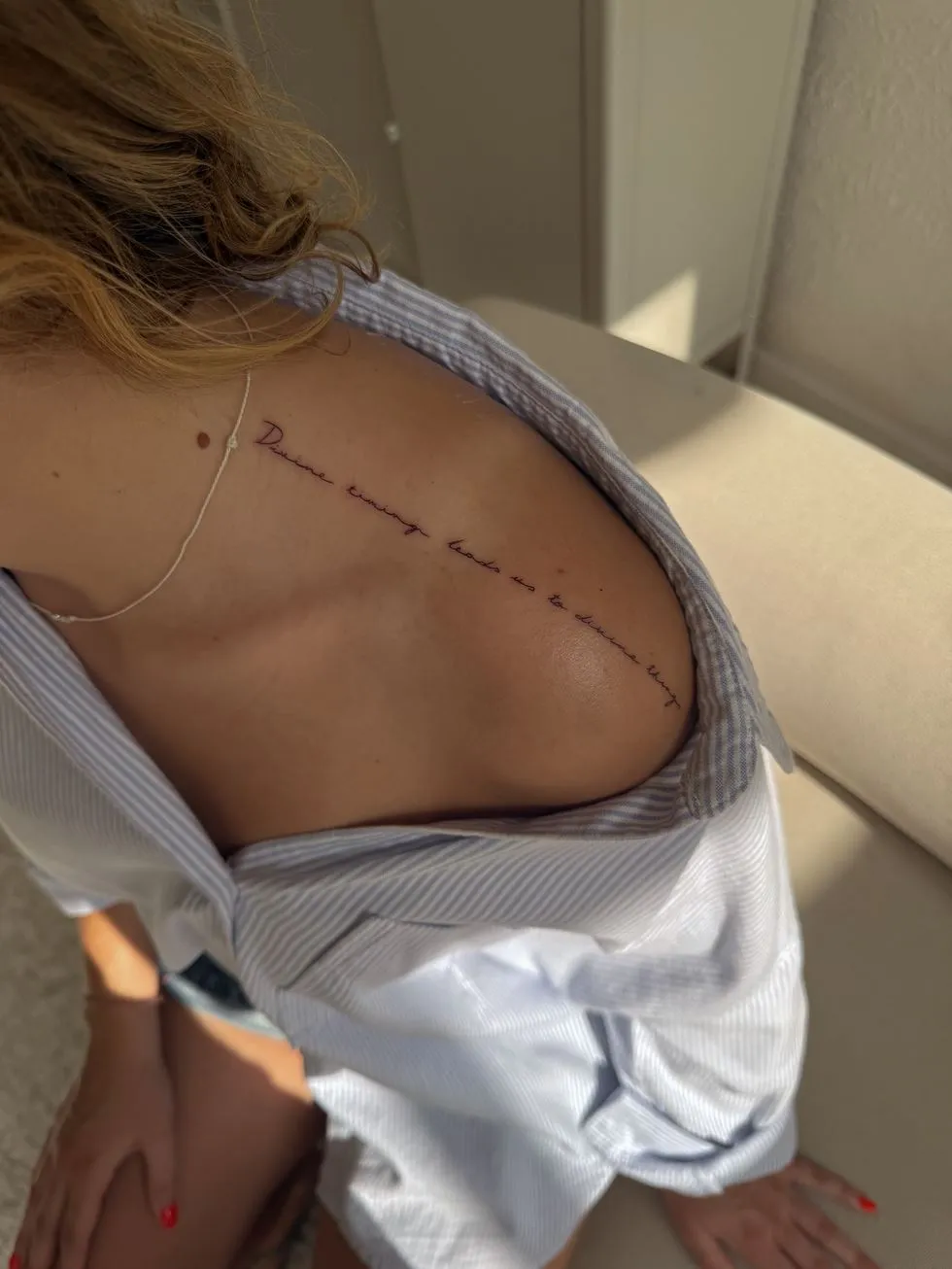
Expect a whole new layer of skills — even if you already have experience in cosmetic eyeliner tattoo training, lip blush tattoo course modules, or powder brow techniques.
Key modules include:
- Skin Fundamentals and Skin Anatomy: Understanding how body tattoos heal differently from cosmetic tattoos
- Tattoo Machine and Needle Selection: Tattoo needle, needle configurations, tattoo gun and proper equipment setup
- Pigment Selection and Ink Retention: Using tattoo pigment instead of PMU-specific blends
- Advanced Techniques for Clients: Adjustment of tattoo machines, machine techniques, tattooing techniques like whip shading and single-pass lining
- Practice Methods on Synthetic Skins and Practice Skins: Before progressing to real clients
- Proper Aftercare Protocols: Includes aftercare cream, aftercare leaflets, and aftercare forms
With tutor support programmes and expert guidance, you’ll build your technical foundation through practical assessments, additional practice hours, and feedback sessions on additional models.
Choosing a Fine Line Tattoo Course in Melbourne
This isn’t a decision to make based on an influencer’s Reels. Look for the following:
- Courses accessible via online studies or in-person
- Tutor service for feedback and study guidance
- Access to professional-grade premium equipment
- Inclusive tattoo kit with essentials
- 12-month access to digital resources
- Coverage of contraindications and consultation methods
At Face Figurati, our course includes deep dives into both the cosmetic tattooing industry and tattoo industry requirements, so you walk away confident with both certificates and real tattooing skills.
PMU Challenges When Learning Fine Line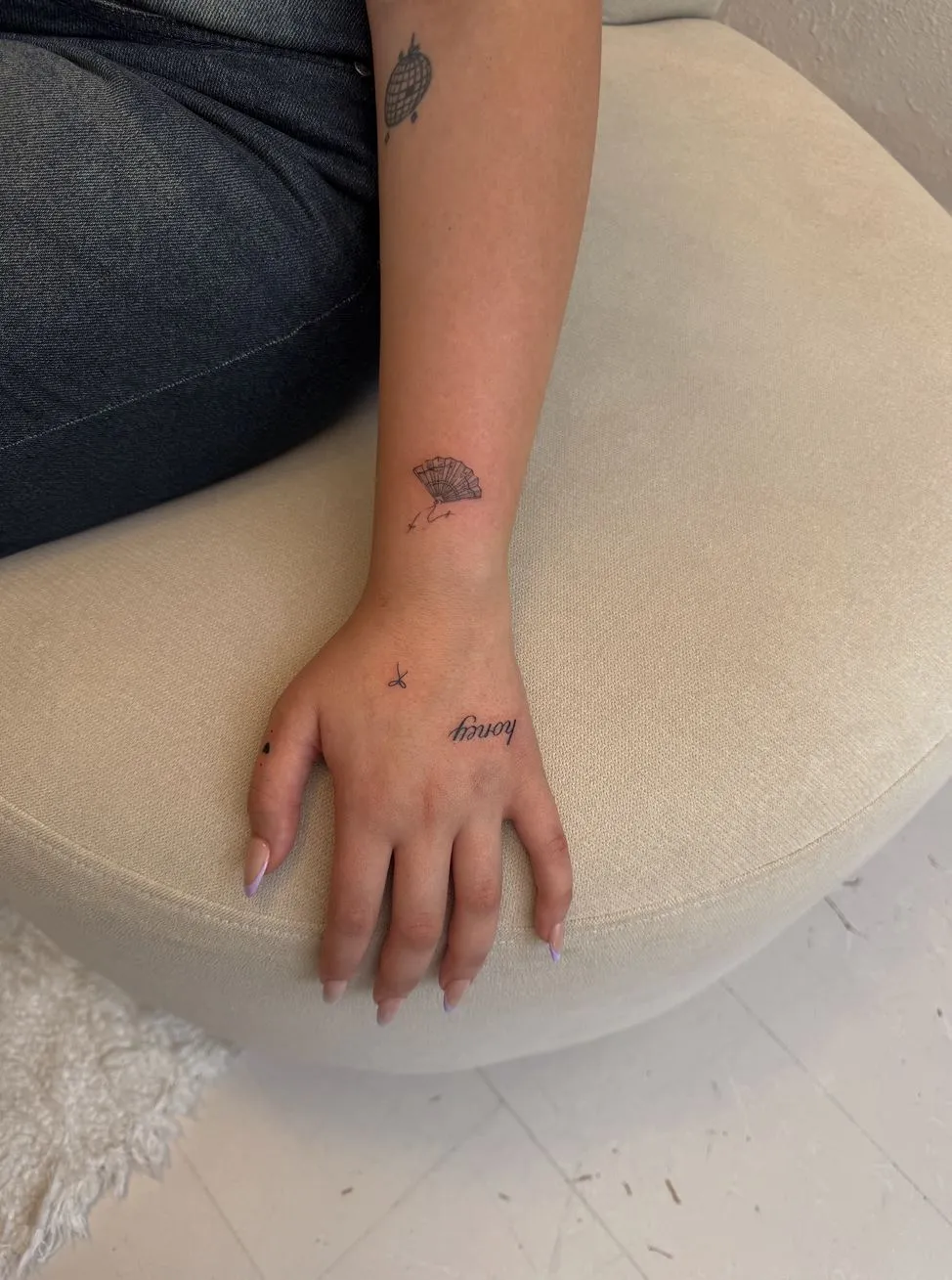
Even successful students can hit a few roadblocks. Here’s what we’ve seen:
- Depth Feedback Issues: Tattooing too shallow or too deep without accurate stencil placement can ruin a design.
- Tattooing Experience: PMU is slower and more methodical — fine line needs rhythm and speed.
- Machine Handling: PMU pens feel dainty. Tattoo machines — even modern techniques with wireless tattoo machines — require muscle and precision.
- Tattoo Styles Confusion: Fine line tattoos aren’t always forgiving. Whether it’s geometric, script, or artistic symbols,fine-line tattoos each type of tattoo demands an approach to tattoo artistry that respects skin types and stretch.
- Insurance Coverage: Your current PMU policy might exclude decorative body tattoos. Check before you add it to your tattooing business.
2025 Beauty Industry Trends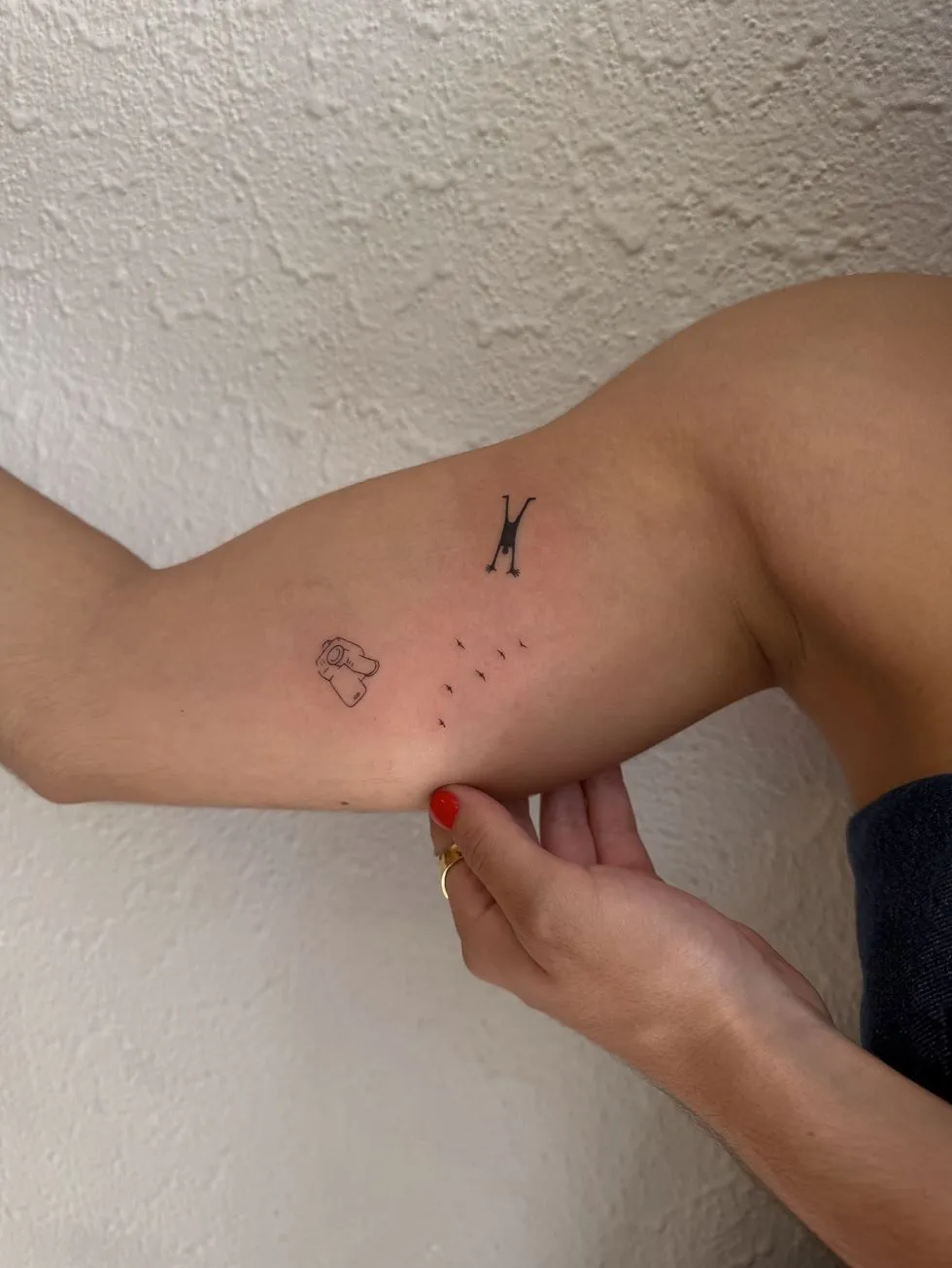
Data from the 2025 Australian Beauty Business Barometer shows:
- 42% of PMU artists are adding fine line services
- 30% of training providers now offer advanced study programs in tattooing
- 20% growth in fine line tattoo enquiries from beauty professionals with a background in beauty or makeup artistry
This isn’t a fad — it’s the natural evolution of cosmetic tattoo artists upskilling into the broader tattoo industry. It’s also an advanced method of offering artistic services that meet the modern demand for personal, natural beauty statements.
Final Thoughts
If you’re a PMU artist with a solid foundation in lip tattooing, eyebrow tattoos, or semi-permanent makeup — and you’re ready to challenge yourself with advanced tattoo techniques — then yes, absolutely.
Look for education that balances cosmetic tattooing consultations, tattoo training, artistic skills, infection control, and tattoo certificates. Choose a trainer who understands that tattooing is more than ink — it’s skin theory, practice methods, and person-to-person care.
Whether your ultimate objective is to offer delicate fine-line, tattoos or build a full tattooing business, proper practical training, essential tools, and expert trainer feedback will take you there.
FAQ
Do I need basic knowledge of tattooing to enrol?
Not necessarily, but a background in PMU or Beauty Therapy is helpful. You’ll be taught from the ground up.
Will my cosmetic tattoo kit work for body tattoos?
Not entirely. You’ll need a new tattoo kit, including a rotary tattoo machine and skin-safe tools.
Can I study part-time or online?
Yes — many programs now offer online tattoo courses and at-home study options.
How long does it take to start tattooing real clients?
After completing your course and meeting all requirements, most students begin within 1–3 hours of practical sessions.
What support is included in good training programs?
Look for courses offering tutor service, expert guidance, and constructive feedback from real clients.