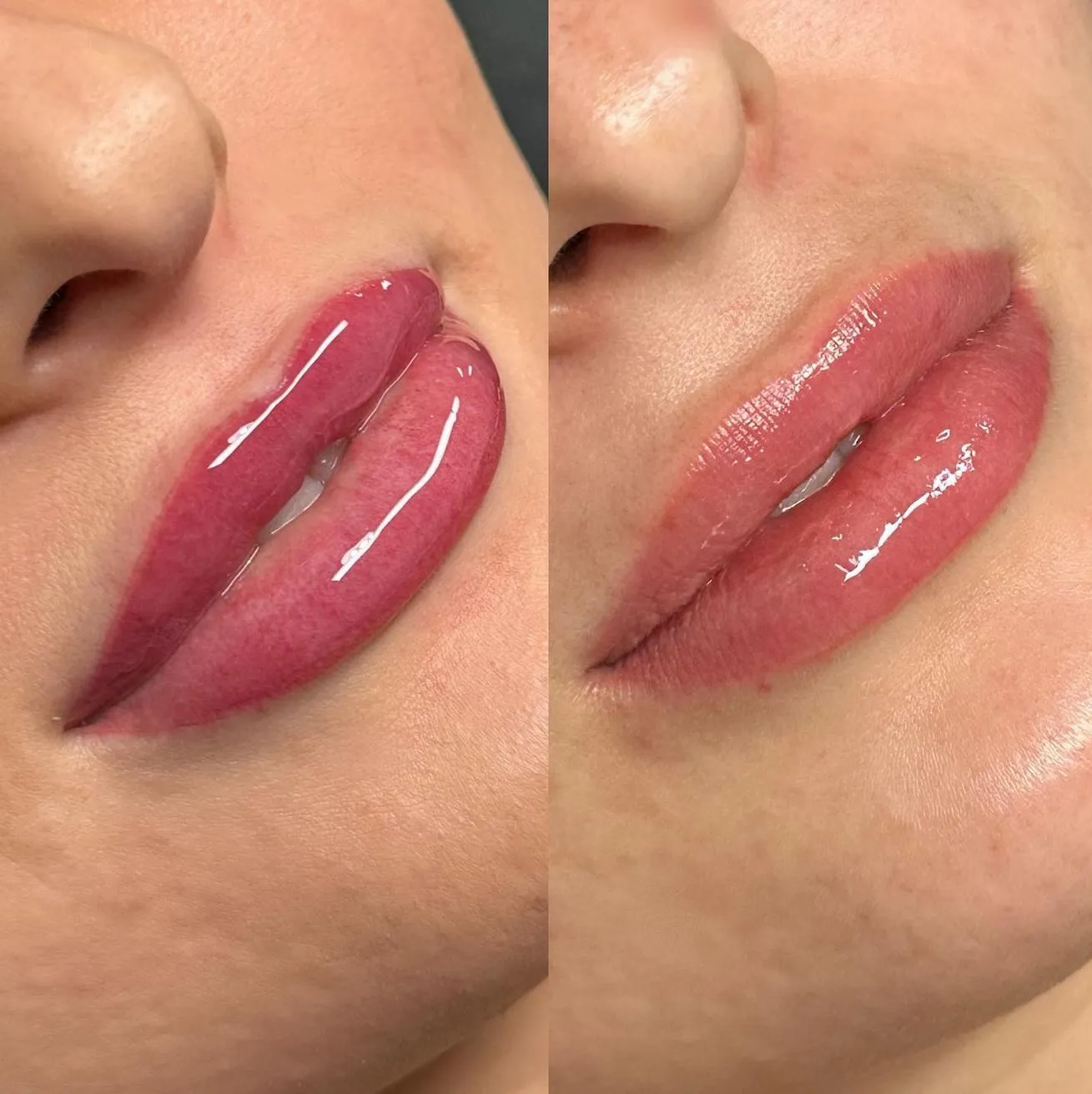
If you’re prone to cold sores, it’s essential to speak with your practitioner before your lip tattoo to minimise the risk of flare-ups during healing.
Cold sores, also known as the herpes simplex virus (HSV-1), are one of the most common concerns after lip tattooing. Even if you’ve never had a visible cold sore before, trauma to the lips (like a tattoo needle) can sometimes trigger an outbreak. This is especially true during the initial session when lip tissue is freshly treated. But don’t stress. With the right prep, aftercare, and guidance, you can dramatically reduce your risk.
At Cosmetic Tattoo Melbourne Studio Face Figurati, we treat every individual client with care. Healing is personal, and every lip blush successful outcome is built on good prep and follow-through.
Why Cold Sores Happen After Lip Tattoo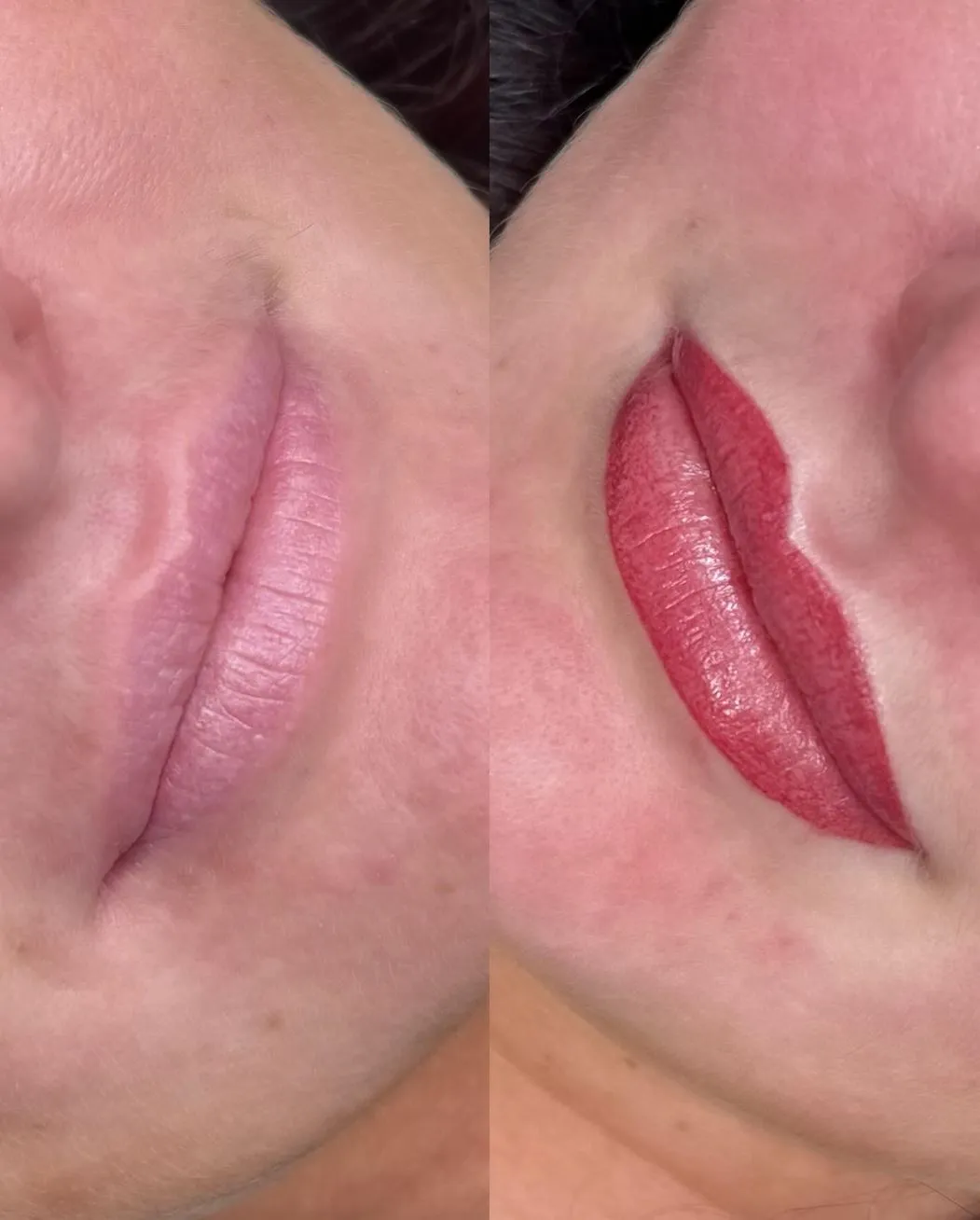
Tattooing your lips is a form of tattooing, and while beautiful, it’s still a trauma to the skin. The needle creates tiny punctures in the lip skin to implant pigment. For anyone carrying the herpes simplex virus, and that’s around 80% of the adult population in Australia, this trauma can trigger a viral response.
Think of it like this: your immune system is busy managing the healing of wounds from the tattoo. That leaves the door slightly ajar for dormant viral infections like HSV-1 to sneak out and flare up.
Common triggers for HSV-1 include:
- Stress (hello, pre-treatment nerves!)
- Hormonal shifts (menstrual cycle, period of time)
- Direct sun exposure
- Illness, poor diet, or fever (fever blisters)
- Physical trauma to the lips (yes, including tattooing)
Are You at Risk After Lip Blush?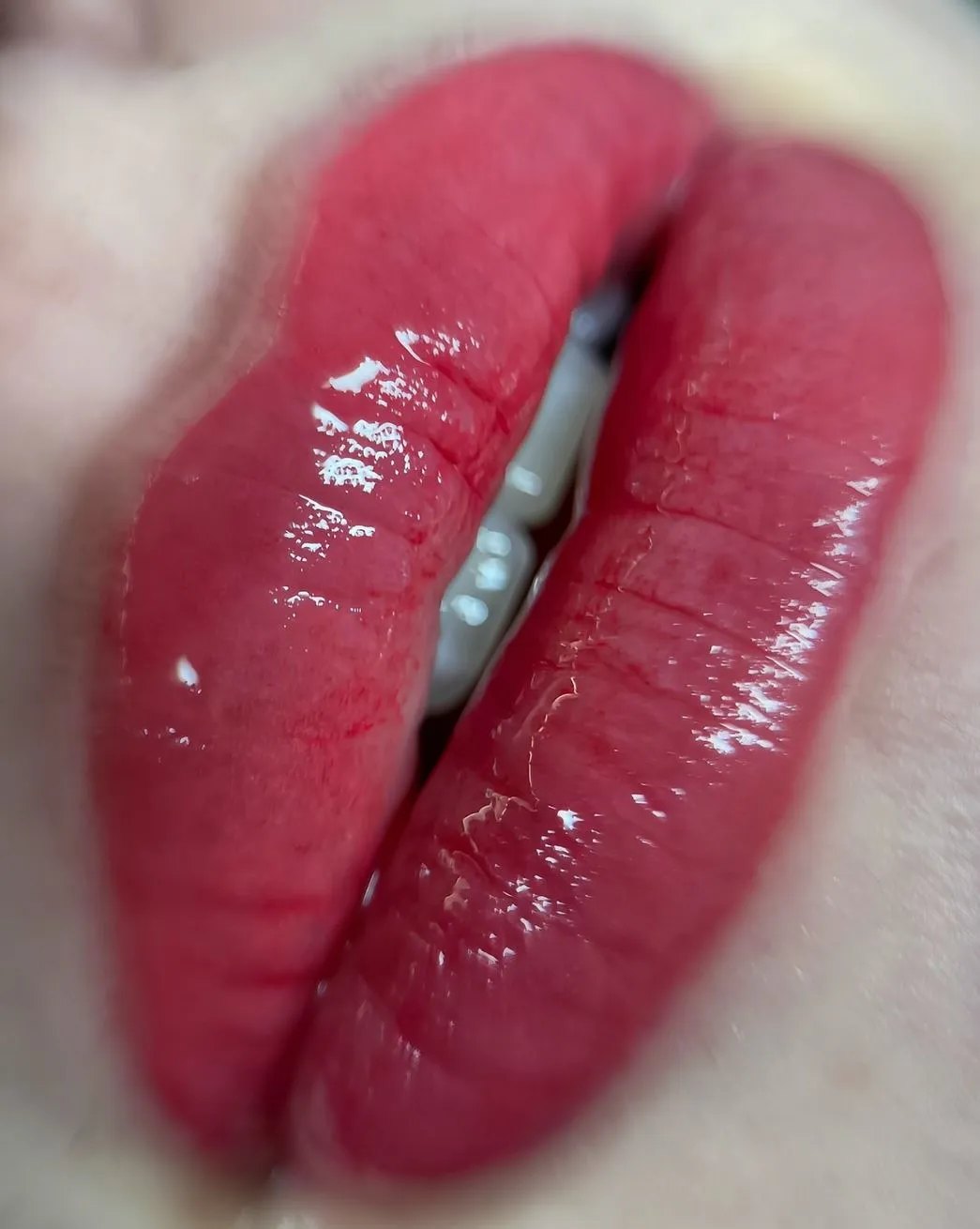
If you’ve had cold sores in the past — even just once — you’re at risk. But even if you’ve never had a visible sore, you might still carry the virus. It can lie dormant in the body for years.
Here’s when you must be proactive:
- Have you ever had a cold sore before
- You’re feeling rundown or sick before your appointment
- You’ve been under a lot of stress
- You’re getting your period
In my studio, I always ask lip clients about their cold sore history during the consultation. It’s not a dealbreaker for treatment — it just means we prep more carefully.
Antiviral Tips: What to Take & When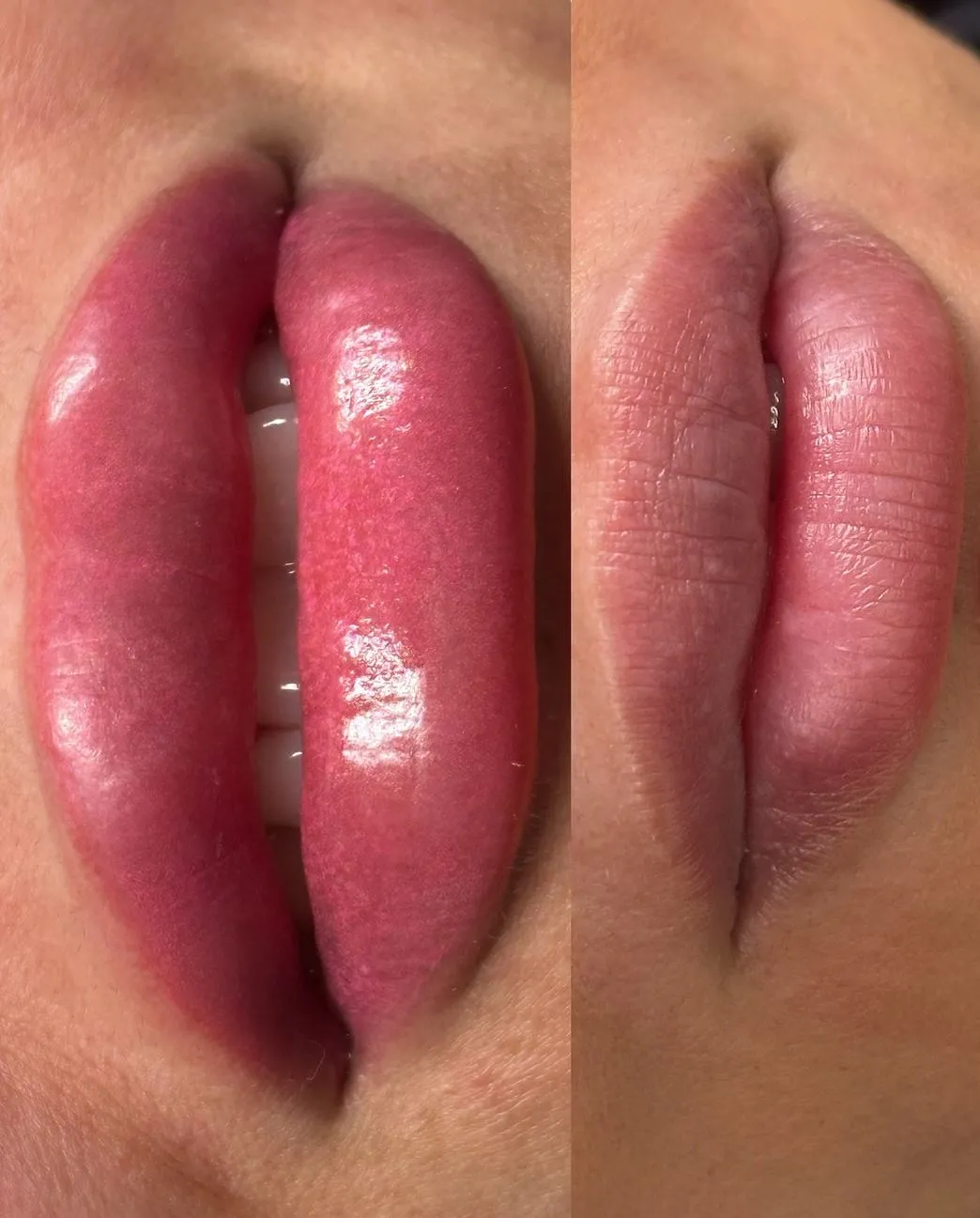
Here in Melbourne, I work closely with clients to ensure their healing is smooth and cold-sore-free. If you’ve got a known history of HSV-1, or even if you’re just not sure, this is the protocol I typically recommend.
Note: Always consult your GP before starting any antiviral medication. This guide is based on general best practices, not personal medical advice.
Preventative Antiviral Medication Options
| Medication Name | Typical Dosage | When to Start | Duration |
|---|---|---|---|
| Valaciclovir (Valtrex) | 500mg twice daily | 2 days before your tattoo | Continue for 5 days total |
| Aciclovir | 400mg three times daily | 2 days before your tattoo | Continue for 5–7 days total |
These meds work by suppressing the herpes virus and keeping it dormant while your lips are healing. Timing is key: you want the medication in your system before the trauma begins.
What If You Can’t Take Antivirals?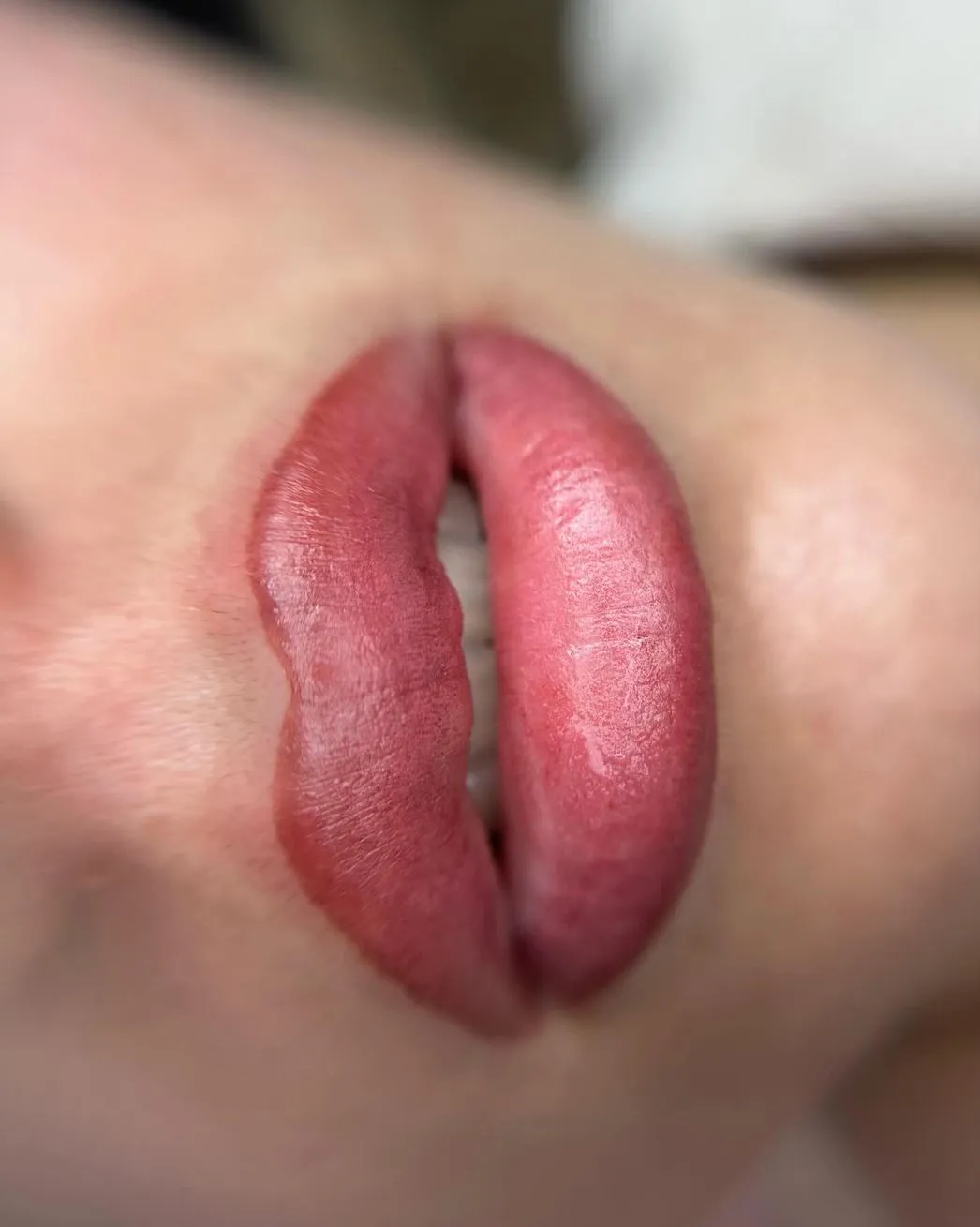
Some clients prefer natural support or can’t take prescriptions. In that case, here are some alternative tips:
- Take L-lysine supplements daily for 1–2 weeks before and after your tattoo
- Avoid known triggers like spicy food, acidic foods, hot showers, heavy sweating, and sun tanning
- Use a barrier layer lip balm with SPF to protect healing lips
These aren’t foolproof, but they can support your body’s immune response.
Beforecare for Cold Sore Prevention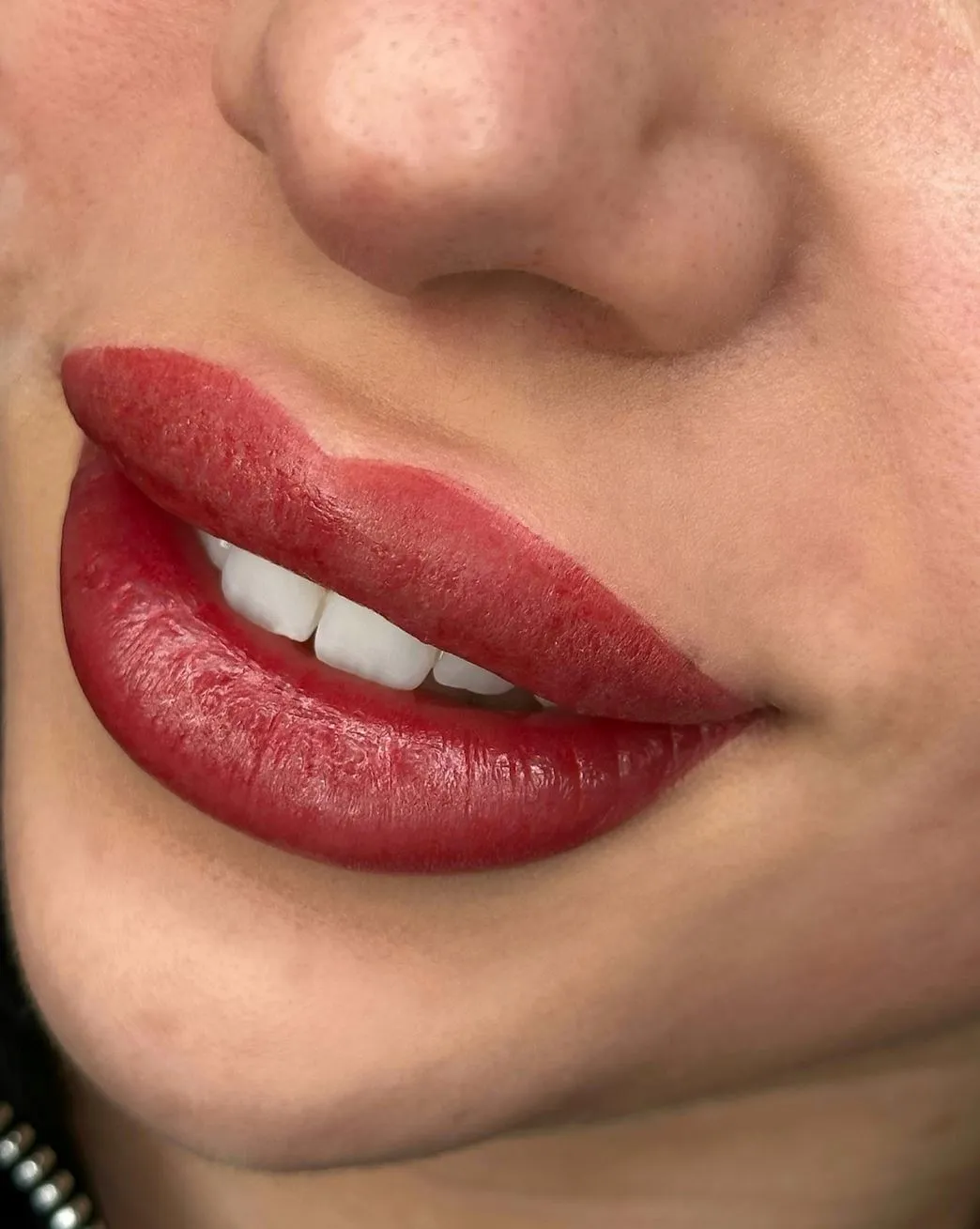
1 Week Before:
- Book a script for anti-viral cold prescription medication
- Start L-lysine and avoid vitamin C serums and Retin-A
- Hydrate with plenty of water and eat well
2 Days Before:
- Begin your anti-viral medication
- Avoid alcohol in excess, active chemotherapy, and laser hair removal treatments
- Take a break from vitamin C
Day Of:
- Take your antiviral dose
- Arrive with clean, product-free lips
- Avoid toothpaste on lips and fish oils
Aftercare to Avoid Cold Sore Outbreaks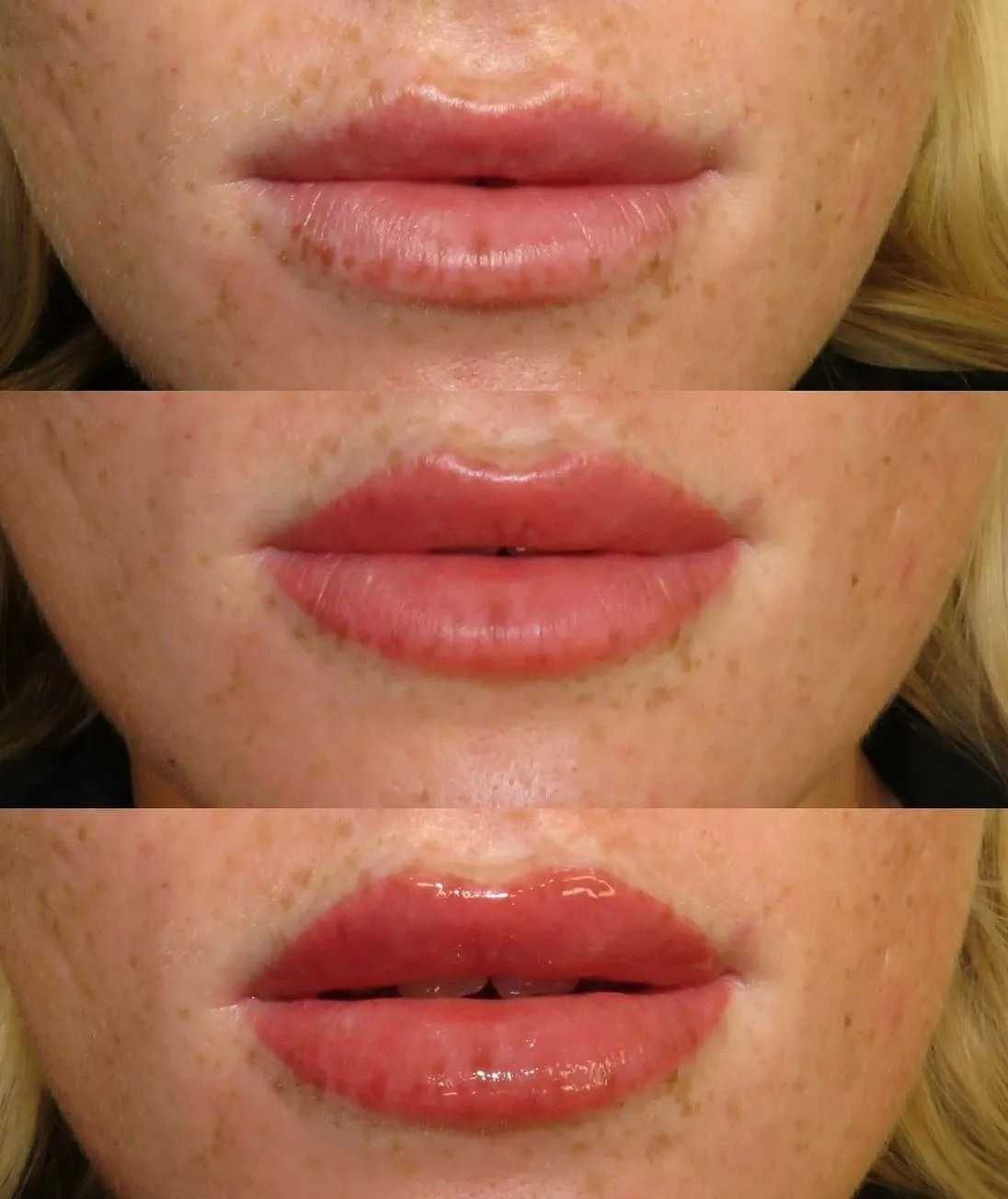
This is where the real work begins. The initial healing period can last 7–10 days, with full colour settling over 6–8 weeks. During this approximate healing period, proper care is key to preventing pigment loss, sore blisters, or secondary infection.
Key Tips:
- Continue your antiviral medication
- Apply your aftercare balm or aftercare cream as directed
- Avoid direct water pressure, lots of water, and wet wipe contact on the area
- Keep lips moist with a thin layer of Vaseline or healing balm
- Avoid glycolic acid, salicylic acid, alpha hydroxy acids, chemical peels, and acne skincare products
- Rest and avoid heavy household cleaning, airborne debris, and storage cleaning
- No lip filler, injections on lips, or lip implant procedures for 4–6 weeks
- Use a fresh pillowcase, avoid touching your lips, and wash your hands often
Real Talk
One of my Melbourne clients who gets a yearly lip blush tattoo treatment had dry skin, a history of Seborrheic dermatitis, and a few skin conditions. With a plan of Valtrex + L-lysine + aftercare routine, her healing was smooth, and pigment settled into a natural colour with beautiful richness of colour.
Another lip client skipped antivirals, thinking she was clear. She ended up with a cluster of sores and a metallic flavour for a couple of days, which disrupted her natural glow and led to slight colour uptake instead of her preferred rich colour.
Moral of the story? Never underestimate special care.
2025 Stats: Cold Sore Risk Rising
According to the Australian Cosmetic Tattoo Association, around 25% of new lip tattoo clients in 2025 reported a history of herpes virus outbreaks, and 70% of Tattoo artists now include pre-care and aftercare instructions for HSV-1 as standard. Clients want long-lasting results — no one wants a loss of colour from a preventable flare-up.
Final Thoughts
Cold sores after a lip tattoo aren’t just annoying — they can delay healing, cause discomfort, and increase your chance of infection. Whether you’re a seasoned cosmetic tattoos client or a first-timer, the advice is the same: clean hands, a tailored aftercare plan, and antiviral support make all the difference.
FAQ
Do I really need antivirals if I’ve never had a cold sore?
Yes. The herpes virus can lie dormant. Trauma from tattooing can trigger it.
Can I still get a lip tattoo if I get cold sores regularly?
Absolutely. With anti-inflammatory medication, proper aftercare ointment, and timing, we can minimise the risk.
What if I get a cold sore after my lip tattoo anyway?
Contact your Tattoo artist or GP ASAP. Prompt use of viral medication or sore throat medication helps contain it.
Will a cold sore ruin my lip blush results?
It can affect healing time and pigment colour, but with a complementary touch or light touch-up, results can still shine.
How much does antiviral medication cost in Melbourne?
Generic anti-viral medication (like Aciclovir) ranges from $10–$20. Aftercare balm and balm with sunscreen are also good investments for sun protection and barrier healing.