
Litchfield National Park in the Northern Territory’s Top End is a tropical paradise that’s as beautiful as it is full-on adventurous. That’s what draws so many people to its cascading waterfalls, crystal-clear swimming holes and—of course—its incredible biodiversity. One of the most popular attractions in the region, Litchfield offers the perfect spot for adventure-seekers looking for a safe dose of nature. You can plan a quick dip or an extended stay—and Litchfield’s got a variety of swim spots set amidst monsoon rainforest, rock formations and lush green landscapes. One of the questions we get asked most by travellers looking to cool off in a natural setting is: Can you swim in Litchfield National Park? The answer is a resounding yes—but with a few important caveats. Many people choose to go on guided tours of Litchfield National Park to find the best swimming spots and learn about the region’s ecology, geology and history from expert guides. Those tours really bring the place to life.
Where You Can Swim
Litchfield National Park is a tropical summer paradise. That’s exactly what you’ll find at its safe and stunning swimming spots. (Or, at least, that’s what you’ll find when the rain hasn’t just come pouring down.) Those spots—or rather, those pools—are set against a backdrop of dramatic rock formations. That combination of natural beauty and refreshing water makes for a pretty unbeatable experience. You can find some of Australia’s most dreamy swimming holes here, often with basic facilities and barbecue areas thrown in. That makes them perfect for day trips and overnight stays.
Tours of the park usually take in multiple waterfalls and swim spots in one day. That gives visitors a real taste of what Litchfield has to offer.
1. Wangi Falls
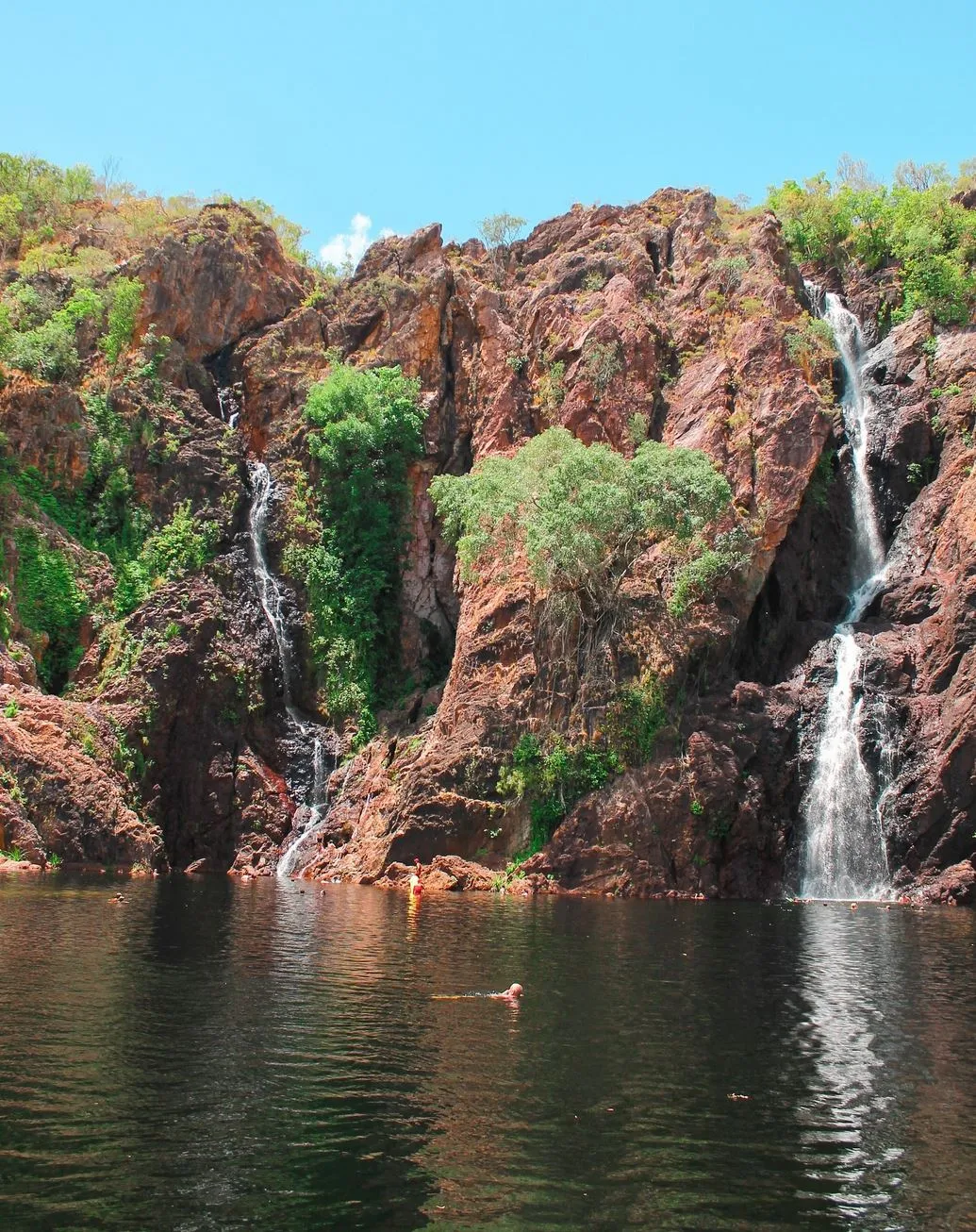
Wangi Falls is one of the park’s most popular—and beautiful—waterfalls. Its couple of drops and spacious plunge pool make it a favourite with families and tourists alike. You can swim there during the dry season (May to October), but access might be limited during the wet season due to crocodile management and heavy rainfall. The rainforest surrounds you as you swim, and there are toilet facilities, barbecue areas and sealed road access nearby. You might even spot some aquatic life lurking just beneath the surface—that’s a real bonus for nature lovers.
Wangi Falls is a highlight of many Litchfield National Park tours because of its beauty, accessibility and cultural significance. And that’s just one of the many reasons people love it.
2. Florence Falls
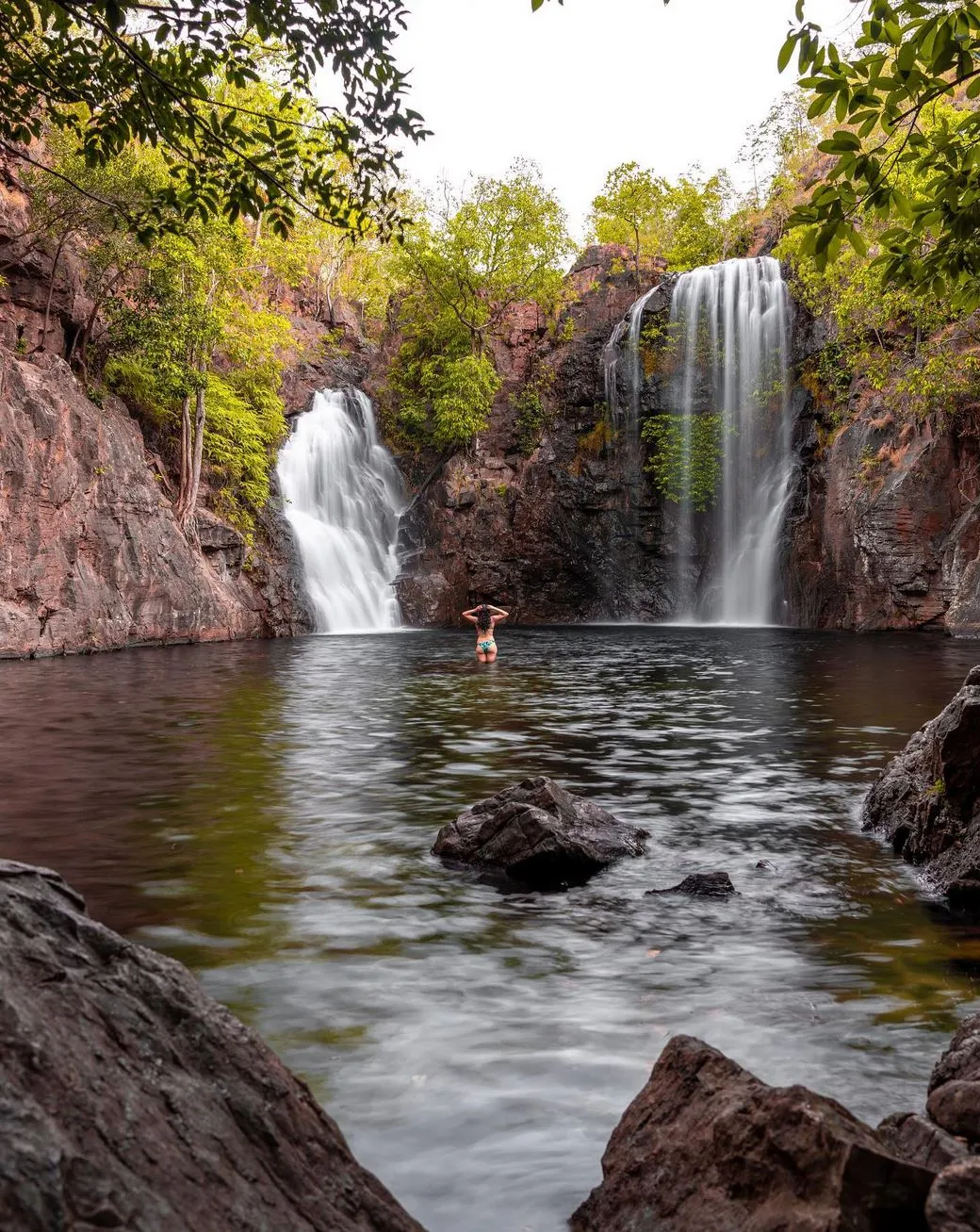
A double waterfall into a deep swimming hole surrounded by green forest and monsoon forest. The staircase down is scenic and rewarding for those who dare. In the dry season, this is one of the most popular spots. With a natural swimming pool, Florence Falls is perfect for warming up in the warmer weather and getting back to nature.
If you’re short on time, go for Litchfield tours that focus on top-rated swim spots like Florence Falls and Buley Rockhole.
3. Buley Rockhole

A series of rock pools and an infinity pool-like layout make Buley Rockhole a must-see for those looking for a relaxing yet adventurous swim. Easy access via sealed road, perfect for a quick stop or full day trip. Each level has a pool and you’ll often see couples and families enjoying the scenery. Basic facilities, stunning backdrop and close to Florence Falls make it one of the most popular spots in Litchfield.
4. Cascades and Walker Creek
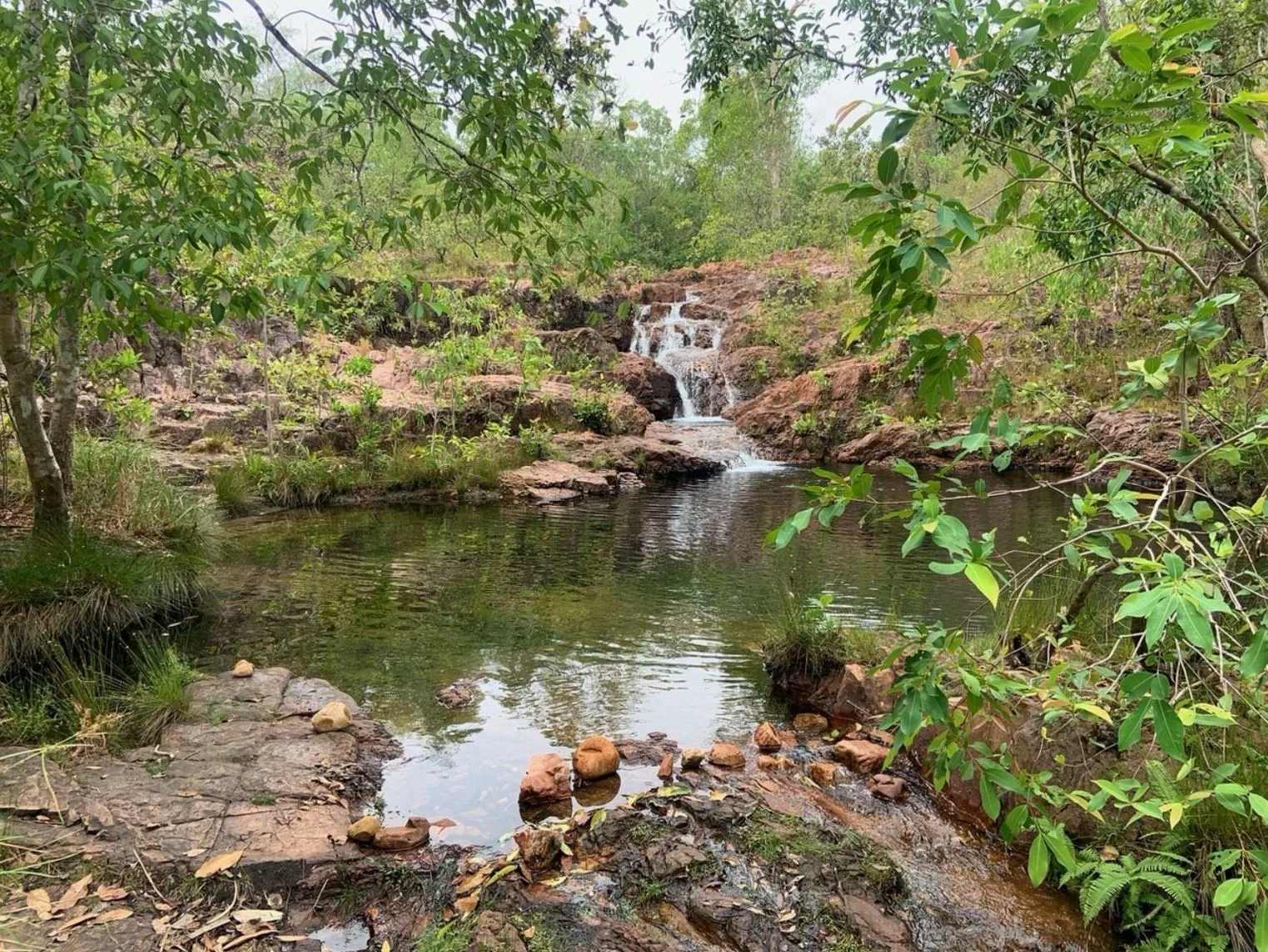
For a more off-the-beaten-track experience, visit the hidden rock pools of Cascades or the secluded swimming holes of Walker Creek. These lesser-known swimming spots have only a handful of people around. Walker Creek has caravan sites and safari tent camping areas nearby, perfect for those who want to stay overnight. Both have a great spot to relax explore the aquatic life and enjoy the sounds of the monsoon rainforest.
5. Surprise Creek Falls and Tjaetaba Falls
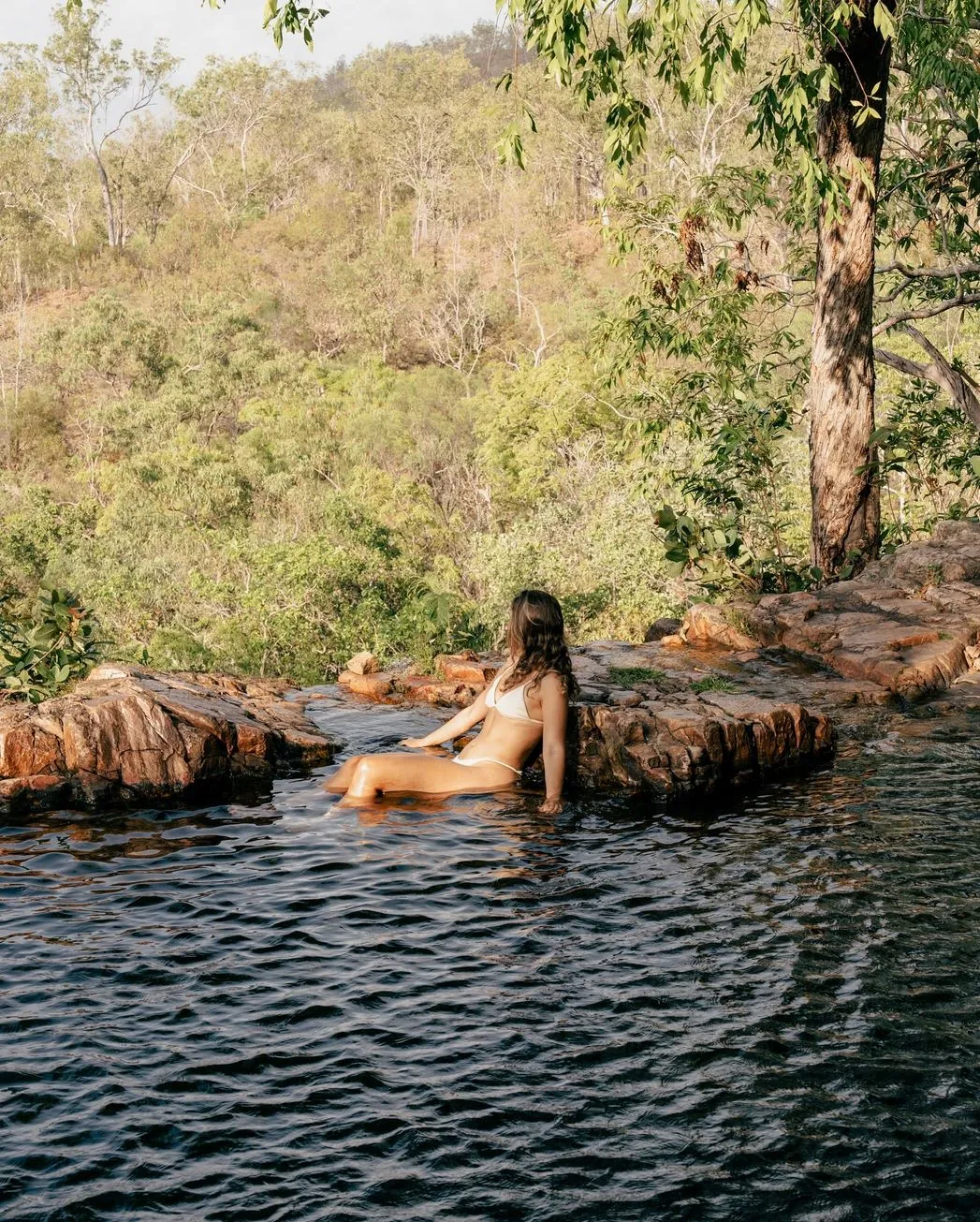
For those who want to go further, head to Surprise Creek Falls via the Reynolds River Track. These waterfalls are more remote and 4WD only. Tjaetaba Falls, swimming is not permitted at the top pool due to cultural sensitivity, but there may be areas downstream that are suitable — always check the signs for safety.
Crocodile Safety
Saltwater crocodiles are found in many waterways in the Northern Territory. However, the swimming areas in Litchfield National Park are monitored by park rangers. Areas open for swimming are deemed safe and a safe environment for your visit. Always check the signs and follow the ranger’s advice for a safe experience. If you want to learn more about these amazing creatures, a nearby crocodile cruise is one of the best cultural experiences in the region.
Best Time to Visit for Swimming
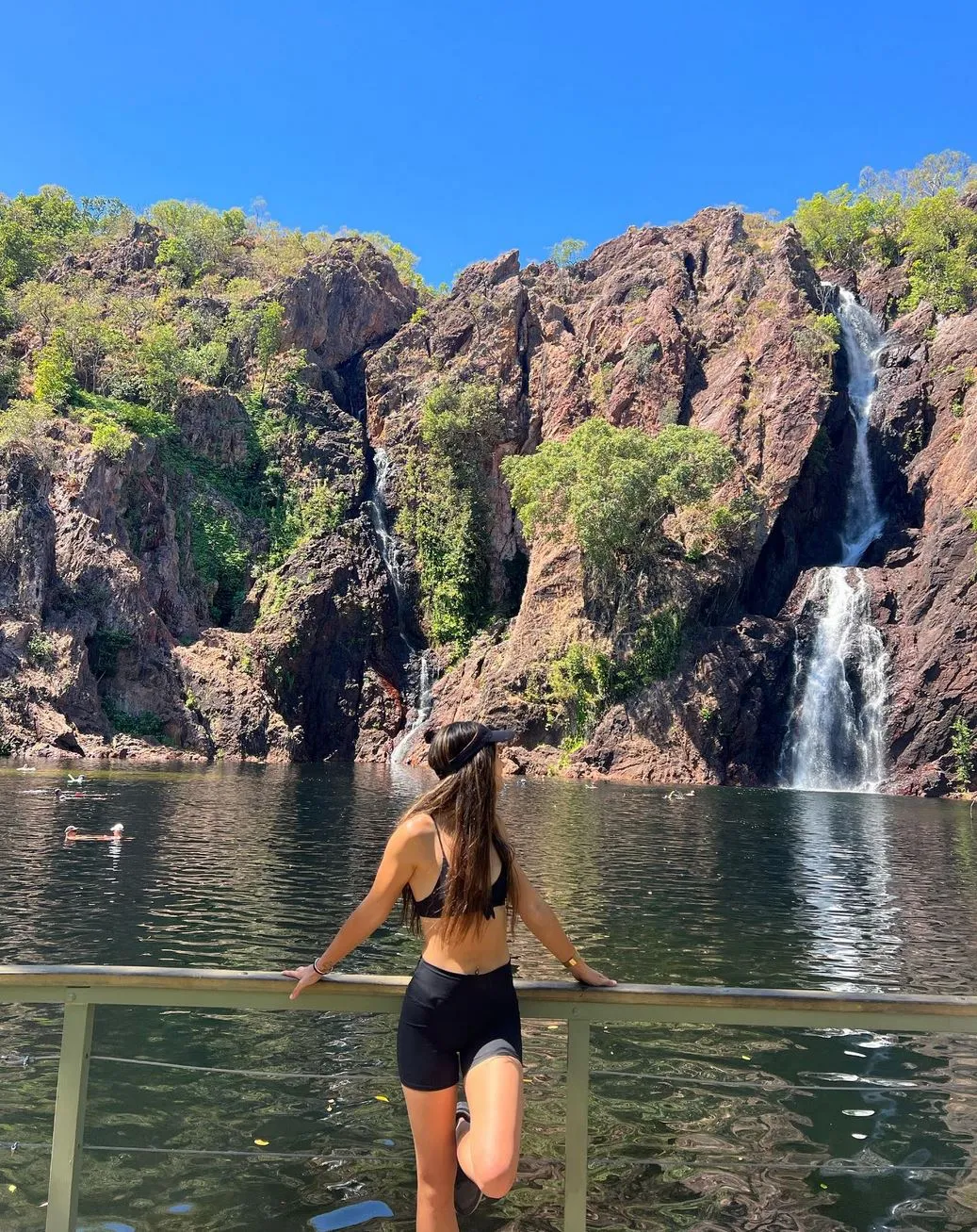
The best time to visit Litchfield for swimming is during the dry season (May to October). This is when the nights are cool, the skies are clear and the water levels are manageable – perfect for exploring water holes, rock pools and the biggest waterfalls in the park. The weather is warm enough to take a dip in deep pools or float in an infinity pool surrounded by nature. During the wet season the heavy rain can raise the water levels and some swimming spots may be closed. The weather during this tropical summer can be unpredictable and may close the park.
If you don’t want to self-drive, many operators offer full day or half day Litchfield tours from Darwin, including lunch, guides and swimming.
Camping and Facilities
Camping is a great way to stay longer in Litchfield. There are several campsites, from caravan sites with basic facilities to safari tents in monsoon forest. Fees are per person per night. The most popular campsites are near the top swimming holes so you can get a morning dip or an afternoon swim.
Toilet facilities, barbecue facilities and sealed roads make many of the swimming spots easy to get to. These make for a more comfortable and enjoyable visit, especially for families or multi day stays.
Tips for a Safe Swim
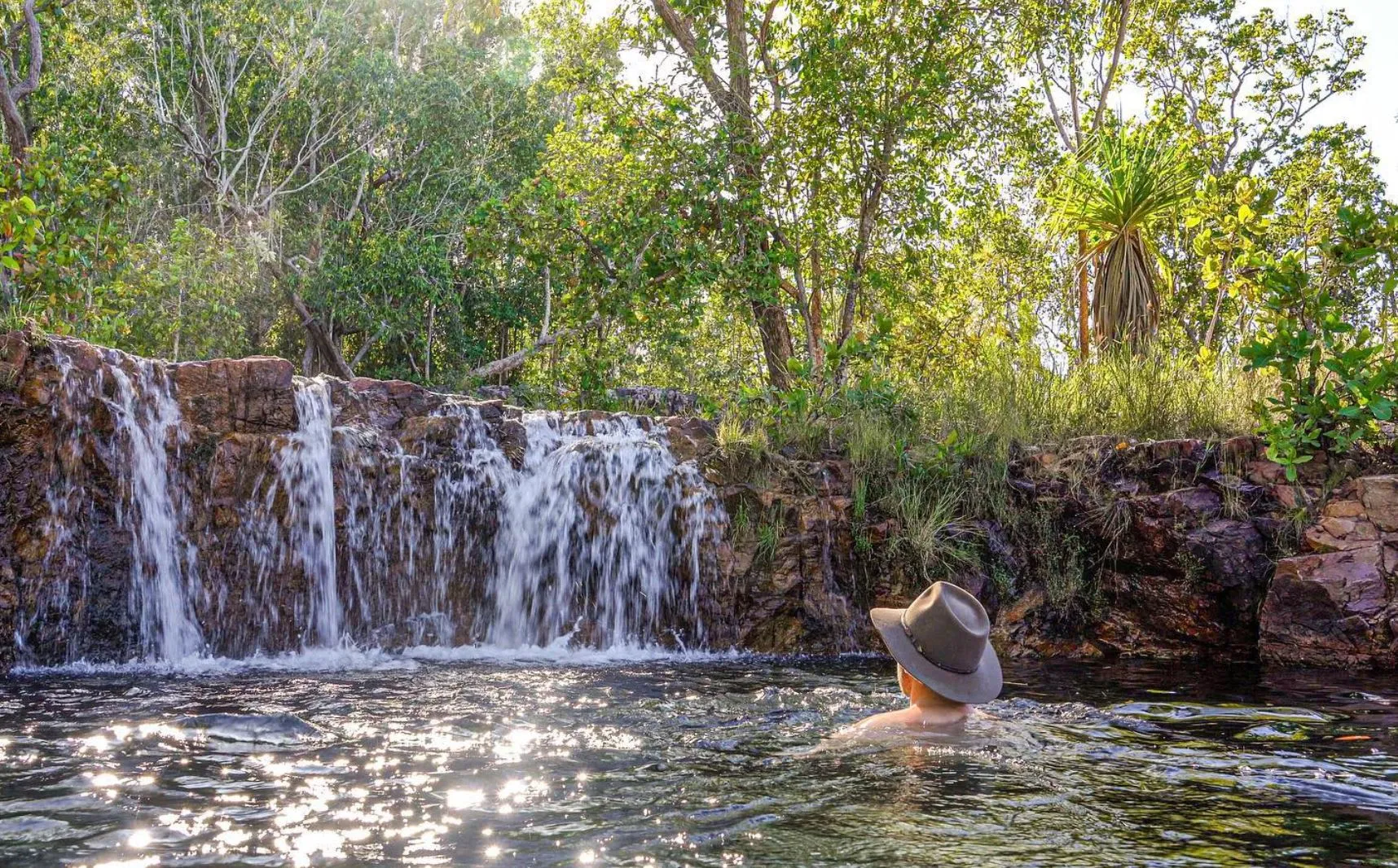
- Always follow signs and rangers’ instructions
- Don’t swim alone, especially in remote areas
- Wear reef shoes to protect your feet from slippery rocks
- Bring plenty of water and sun protection
- Stick to the main attractions and designated swimming holes for a safe experience
- Plan ahead during the wet season and check for closures due to weather or croc management
Final Thoughts
Swimming in Litchfield National Park is more than just a way to cool off — it’s a chance to get amongst the natural beauty of one of Australia’s most incredible regions. From stunning waterfalls to secret rock pools, the park has endless opportunities for maximum adventure and memories. Whether you’re camping under the stars, taking a day trip to your fave spots, or diving into an infinity pool after a hike, Litchfield delivers a travel experience that’s safe, comfortable and raw.
With swim spots from peaceful water holes to adrenaline pumping plunge pools under towering falls, and facilities for all kinds of travellers, Litchfield National Park is a must see destination in the Northern Territory. Make the most of the dry season, soak in the dreamiest spots and create memories that last a lifetime.
Join one of the many Litchfield tours and you won’t miss any of the highlights and will benefit from expert knowledge, local stories and a well planned itinerary.
FAQ
Are there crocodiles in Litchfield National Park?
Yes, but swimming areas are monitored and managed. Only swim in designated areas that are marked as safe.
When can I swim in Litchfield?
The dry season (May to October) is best for swimming, water levels are safer and most sites are open. It’s also the best time to see Litchfield’s waterfalls, deep pools and natural swimming holes.
Is Wangi Falls open for swimming all year round?
Not always. Wangi Falls may close during the wet season for safety and crocodile management. Always check park alerts before planning your day trips.
Do I need a permit to swim in Litchfield National Park?
No permit is required for swimming but standard park entry fees may apply. Camping at designated campsites may cost per person per night.
Can kids swim safely in Litchfield National Park?
Yes, many swimming spots like Buley Rockhole and Florence Falls are kid friendly but adult supervision is essential. Stick to popular attractions with basic facilities and toilet access for a safer family experience.